
Why Does My Hip Hurt When I Walk or Climb Stairs? 7 Causes & Treatment
Description: Hip pain when walking or climbing stairs can have several causes. Learn what may be causing your pain, what you can do, and how physiotherapy can help.
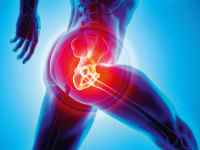
Why Does My Hip Hurt When I Walk or Climb Stairs?
Walking, climbing stairs, getting out of a chair, and standing for long periods are everyday activities that most people take for granted.
So when your hip starts hurting during these movements, even simple tasks can become uncomfortable.
You may notice pain in the front of your hip, on the side, around the buttock, or sometimes even around the thigh or knee. The pain may appear only during certain activities or may gradually become more persistent.
Hip pain can have many different causes. It may involve the hip joint itself, the muscles and tendons surrounding it, the lower back, or other structures that can refer pain to the hip area.
Understanding the possible cause is important because treatment should be based on the individual rather than simply treating the painful area.
What Does Hip Pain Feel Like?
Hip pain can present in different ways.
You may experience:
- Pain when walking
- Pain when climbing or descending stairs
- Discomfort when getting up from a chair
- Pain when standing for long periods
- Stiffness after sitting
- Pain when lying on one side
- Aching around the buttock or thigh
- Reduced hip movement
- Weakness in the leg
- A feeling of instability
The location and behaviour of your pain can provide useful information during a physiotherapy assessment.
Common Causes of Hip Pain During Walking or Stair Climbing
- Hip Osteoarthritis
Hip osteoarthritis involves changes within the hip joint that can develop over time.
It can cause:
- Hip pain
- Stiffness
- Reduced range of movement
- Difficulty walking
- Difficulty climbing stairs
- Difficulty putting on shoes or socks
- Difficulty getting up from a chair
Pain may be felt around the groin, front of the thigh, buttock, or sometimes the knee.
Although joint changes cannot simply be reversed, appropriate exercise, physical activity, education, and physiotherapy can help many people manage symptoms and maintain function.
- Greater Trochanteric Pain Syndrome
Pain on the outside of the hip can sometimes be related to structures around the greater trochanter, including the gluteal tendons.
This is often referred to as greater trochanteric pain syndrome (GTPS).
You may notice pain when:
- Walking
- Climbing stairs
- Standing on one leg
- Lying on the painful side
- Getting up from a chair
- Performing certain exercises
The condition can be influenced by changes in activity, muscle capacity, and the amount of load placed on the tissues around the hip.
- Muscle Weakness
Your hip muscles play an important role in walking and controlling your pelvis and leg.
Weakness in the gluteal and other lower-limb muscles can affect how you move.
You may notice difficulty with:
- Climbing stairs
- Standing on one leg
- Walking longer distances
- Squatting
- Getting up from a chair
Weakness may develop after injury, inactivity, surgery, pain, or a prolonged period of reduced movement.
Progressive strengthening can help improve the ability of the hip and surrounding muscles to tolerate everyday activities.
- Previous Injury
A previous hip, knee, ankle, or lower-back injury can sometimes change how you move.
For example, if one leg has been painful, you may unconsciously place more weight on the other side.
Over time, this can affect muscle strength, movement patterns, and physical capacity.
Even when the original injury has healed, the movement changes may remain.
A physiotherapy assessment can help identify these factors.
- Sudden Increase in Activity
Hip pain may develop when you suddenly do more physical activity than your body is accustomed to.
This can happen when you:
- Start running
- Increase your walking distance
- Begin a new exercise programme
- Return to sports
- Increase gym training
- Spend more time climbing stairs
- Take on physically demanding work
Your body needs time to adapt to changes in workload.
Gradually increasing activity can help your muscles and other tissues develop the capacity needed for the new demands.
- Hip Flexor or Other Muscle-Related Problems
The muscles around the hip can become painful following overuse or an injury.
For example, activities involving repeated lifting of the leg, running, kicking, or sudden changes in direction may increase the demand on certain muscles.
Depending on the specific muscle involved, pain may be felt around the front, side, or back of the hip.
The appropriate management depends on the underlying problem.
- Pain Coming From the Lower Back
Not all pain felt around the hip originates from the hip joint.
Problems involving the lower back can sometimes cause pain that is felt in the buttock, hip, or leg.
You may also experience:
- Back pain
- Tingling
- Numbness
- Burning pain
- Shooting pain
- Leg weakness
If your hip pain is accompanied by neurological symptoms, proper assessment is important.
Why Does My Hip Hurt More When Climbing Stairs?
Climbing stairs requires more work from the muscles around the hips and legs than ordinary level walking.
Your hip muscles need to help control and move your body upward, while the surrounding muscles work to stabilize the pelvis and leg.
If your hip is painful, weak, stiff, or not accustomed to this level of demand, stair climbing may expose the problem more clearly.
This does not necessarily mean that climbing stairs is damaging your hip.
Instead, it may indicate that your hip currently has difficulty tolerating the load required for the activity.
Should You Stop Walking if Your Hip Hurts?
Not necessarily.
For many musculoskeletal conditions, completely avoiding movement for a prolonged period can contribute to stiffness, weakness, and reduced physical capacity.
However, the amount and type of activity may need to be modified.
You might temporarily reduce:
- Long walks
- Repeated stair climbing
- Running
- Heavy lower-body exercises
- Activities that consistently aggravate your symptoms
The aim is usually to find an appropriate level of activity rather than avoiding movement completely.
What Can You Do for Hip Pain?
Keep Moving Within Your Tolerance
Gentle movement can help prevent unnecessary stiffness.
Avoid suddenly forcing the hip into painful positions.
Manage Your Activity Level
If your symptoms started after a significant increase in activity, temporarily reducing the workload may help.
As symptoms improve, activity can be gradually increased again.
Strengthen Your Hip and Leg Muscles
Strengthening may be an important part of managing many hip problems.
Depending on your condition, exercises may include:
- Sit-to-stand exercises
- Bridges
- Step-ups
- Hip abduction exercises
- Squats or modified squats
- Calf strengthening
- Balance exercises
Exercises should be selected and progressed according to your individual needs.
Avoid Repeatedly Pushing Through Worsening Pain
Some discomfort can occur during rehabilitation, but pain that consistently worsens with an activity may indicate that the exercise or workload needs to be modified.
How Can Physiotherapy Help Hip Pain?
Physiotherapy can help determine what may be contributing to your hip pain and how it is affecting your movement.
During an assessment, your physiotherapist may examine:
- Hip range of motion
- Muscle strength
- Flexibility
- Balance
- Walking pattern
- Stair-climbing ability
- Functional movements
- Lower-back movement
- Previous injuries
- Activity and exercise levels
Your treatment programme may include:
Progressive strengthening: Improving the capacity of the hip and lower-limb muscles.
Mobility exercises: Addressing relevant restrictions in movement.
Balance and movement training: Improving control during walking, stairs, and other functional activities.
Load management: Helping you determine how much activity your body can currently tolerate.
Manual therapy: Where appropriate, hands-on techniques may be used alongside active rehabilitation.
Education: Helping you understand your symptoms and make informed decisions about activity.
The aim is to improve your ability to perform everyday activities rather than simply providing temporary pain relief.
When Should You See a Physiotherapist?
Consider having your hip assessed if:
- Pain persists for several weeks.
- The pain keeps returning.
- Walking is becoming difficult.
- You are struggling with stairs.
- You have developed weakness.
- Your hip movement has become restricted.
- Pain is affecting your sleep.
- You have stopped exercising because of the pain.
- You have a history of hip or lower-limb injury.
A physiotherapist can help identify contributing factors and develop an individualized rehabilitation programme.
When Does Hip Pain Need Urgent Medical Assessment?
Seek urgent medical attention if severe hip pain occurs following significant trauma, particularly if you cannot put weight through the leg.
Also seek prompt medical assessment if hip pain is accompanied by:
- Fever
- A hot or visibly swollen joint
- Sudden severe pain without an obvious injury
- Rapidly worsening symptoms
- Significant weakness or loss of sensation
These symptoms may require medical investigation rather than routine physiotherapy alone.
Frequently Asked Questions
Why does my hip hurt when I walk but not when I sit?
Walking places more load through the hip and requires coordinated movement from the muscles and joints. Pain that appears during walking may indicate that your hip currently has difficulty tolerating that level of activity.
Why does my hip hurt when I climb stairs?
Stair climbing requires greater effort from the hip and leg muscles than level walking. Weakness, joint problems, tendon-related pain, or other conditions may make this activity painful.
Can hip pain go away on its own?
Some minor problems may improve with appropriate activity modification and gradual return to normal movement. Persistent or worsening hip pain should be assessed.
Is walking good for hip pain?
Walking can be beneficial for many people, but the appropriate amount depends on the cause and severity of the pain. If walking consistently worsens your symptoms, an assessment can help determine how to modify your activity.
Can physiotherapy help hip pain?
Yes. Physiotherapy can help address factors such as weakness, reduced mobility, balance problems, movement control, and reduced tolerance to physical activity.
Don’t Let Hip Pain Limit Your Movement
Hip pain can gradually affect the way you walk, climb stairs, exercise, work, and perform everyday activities.
You don’t have to wait until the pain becomes severe before seeking help.
Identifying the factors contributing to your symptoms can help you take appropriate steps toward improving your movement and physical capacity.
our physiotherapy team can assess your hip, lower back, strength, mobility, balance, and movement patterns to develop an individualized treatment and rehabilitation programme.
If hip pain is making walking or climbing stairs difficult, book a physiotherapy assessment today and take the first step toward moving with greater comfort and confidence.
Book your appointment with us today:
Address: Number 2, D Close, Ajumgobia Street, Behind Upland Mall, Kado Estate,
Abuja 900108, Federal Capital Territory.
Website: effectivephysio.com
📞 Phone: +2348034365055, +2348118856060
💬 WhatsApp: +2348034365055,
🌐 Connect With Us Online:
YouTube: https://www.youtube.com/@effectivephysiotherapyfitness
Facebook: https://www.facebook.com/effectivephysiotherapyclinic
TikTok: https://www.tiktok.com/@effectivephysio1?lang=en
Instagram: https://www.instagram.com/effectivephysio
Twitter/X: https://x.com/effectivephysio