
Physiotherapy After Surgery: Why Rehabilitation Matters for Recovery
Description: Surgery may address the underlying problem, but physiotherapy helps restore movement, strength, mobility, and function. Learn why rehabilitation after surgery matters.
Introduction
When you undergo surgery, it is natural to focus on the wound healing, the pain reducing, and the day you can finally return to your normal routine.
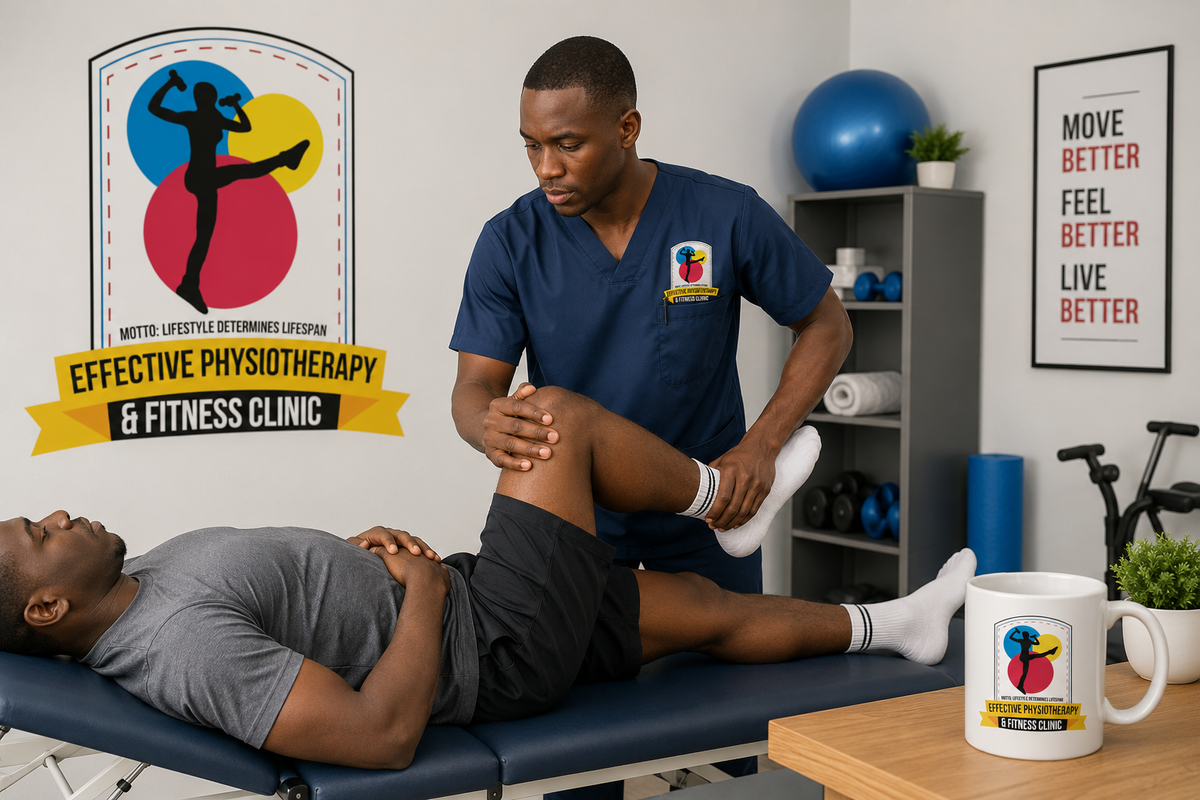
But recovery does not end when the surgical wound heals.
After many types of surgery, your body still needs to regain strength, mobility, coordination, balance, confidence, and functional ability. This is where physiotherapy can play an important role.
Whether you have undergone joint replacement, fracture fixation, ligament repair, spinal surgery, abdominal surgery, or another procedure, rehabilitation may be an important part of your recovery.
Physiotherapy after surgery is not simply about giving you exercises. It involves assessing your current abilities, identifying limitations, progressing your rehabilitation safely, and helping you return to the activities that matter to you.
What Happens to Your Body After Surgery?
Surgery is performed to address a medical problem, but the body may respond to the procedure in several ways.
Depending on the type of surgery, you may experience:
- Pain and swelling
- Reduced joint movement
- Muscle weakness
- Reduced physical activity
- Changes in walking or movement patterns
- Reduced balance
- Difficulty performing daily activities
- Fear of movement
- Reduced confidence using the affected body part
A period of bed rest or reduced activity can also contribute to deconditioning.
For example, someone who spends several weeks moving less because of pain may notice that simple activities such as climbing stairs, standing for long periods, or walking outside become more difficult.
The surgery may have addressed the original problem, but rehabilitation helps your body adapt and regain function.
- Physiotherapy Helps Restore Movement
After surgery, movement may be limited because of pain, swelling, stiffness, muscle weakness, or surgical precautions.
Your physiotherapist can assess your movement and prescribe appropriate exercises to gradually restore mobility.
The exercises depend on the type of surgery and your stage of recovery.
For example, rehabilitation following knee surgery may focus on gradually improving knee movement, while shoulder rehabilitation may involve carefully restoring shoulder mobility and control.
The goal is not simply to move the joint as much as possible.
The goal is to restore appropriate movement safely and progressively.
- Physiotherapy Helps Rebuild Strength
Muscles can become weaker when they are not being used normally.
This can happen after surgery because of pain, immobilization, reduced activity, or protective movement patterns.
Weakness can affect everyday activities.
You may struggle to:
- Stand from a chair
- Climb stairs
- Walk for longer periods
- Get in and out of bed
- Carry objects
- Maintain balance
- Return to work or exercise
A physiotherapist can assess your strength and introduce progressive exercises based on your condition and recovery stage.
As your strength improves, exercises can be gradually progressed to provide an appropriate challenge.
- Physiotherapy Can Help You Walk More Normally
Some surgeries temporarily change the way a person walks.
You may walk slowly, take shorter steps, avoid putting weight through one leg, or rely more heavily on a walking aid.
These changes may be appropriate during the early stages of recovery.
However, as healing progresses and your healthcare team permits increased activity, your physiotherapist can help you gradually improve your walking pattern.
This may involve:
- Gait training
- Balance exercises
- Strengthening
- Weight-shifting exercises
- Walking practice
- Appropriate progression from one walking aid to another or to independent walking, when suitable
The aim is to help you move safely and efficiently as your recovery allows.
- Physiotherapy Helps You Regain Independence
One of the most important goals of rehabilitation is helping you become more independent.
After surgery, everyday tasks that once felt automatic may suddenly become difficult.
You may need help with:
- Getting out of bed
- Bathing
- Dressing
- Using the toilet
- Walking around the house
- Climbing stairs
- Preparing meals
- Returning to work
Physiotherapy can incorporate functional activities into rehabilitation so that exercises are connected to real-life goals.
Instead of focusing only on isolated muscle movements, your programme may include tasks that prepare you for the activities you actually need to perform.
- Physiotherapy Can Help With Balance and Confidence
After surgery, some people become afraid of falling or damaging the surgical area.
This can lead to cautious movement and reduced activity.
While protecting yourself during the early stages of recovery is important, prolonged avoidance of movement can contribute to weakness and reduced confidence.
Physiotherapy can gradually expose you to appropriate movements and functional activities while taking your surgical precautions into account.
Balance training may also be included when appropriate.
The aim is to help you develop the physical ability and confidence needed to move safely.
- Rehabilitation Is Usually Progressive
One of the biggest misconceptions about postoperative physiotherapy is that you should perform the same exercises throughout your recovery.
Your rehabilitation needs can change as you heal.
An exercise that is appropriate immediately after surgery may later become too easy.
As your movement, strength, and tolerance improve, your physiotherapist may modify your programme by changing factors such as:
- Resistance
- Repetitions
- Duration
- Range of movement
- Speed
- Balance demands
- Functional complexity
This process is known as progressive rehabilitation.
Progress should be appropriate for your surgery, healing stage, symptoms, and medical instructions.
- Your Physiotherapist Works Within Your Surgical Precautions
Postoperative rehabilitation should never ignore the instructions given by your surgeon or medical team.
Depending on the procedure, you may have temporary restrictions concerning:
- Weight-bearing
- Range of movement
- Lifting
- Certain positions
- Driving
- Exercise
- Returning to sport
Your physiotherapist considers these precautions when developing your rehabilitation programme.
This is one reason why postoperative rehabilitation should be individualized rather than based on exercises someone else used after a similar surgery.
- Physiotherapy Can Help You Return to Your Normal Activities
Recovery is not simply about being able to move around the house.
For many people, the real goal is returning to their normal lifestyle.
That could mean:
- Returning to work
- Caring for children
- Exercising
- Playing sports
- Walking longer distances
- Travelling
- Returning to hobbies
- Performing household activities independently
Your physiotherapist can help break these goals into manageable stages.
For example, someone hoping to return to running after lower-limb surgery may need to progress through strength, balance, walking, impact tolerance, and sport-specific exercises before returning to running.
Does Everyone Need Physiotherapy After Surgery?
Not every surgery requires the same rehabilitation programme, and the need for physiotherapy varies depending on the procedure, individual circumstances, and medical recommendations.
However, physiotherapy may be particularly important when surgery has resulted in changes in movement, strength, mobility, balance, or functional ability.
If you are unsure whether physiotherapy is appropriate for your recovery, discuss it with your surgeon, doctor, or physiotherapist.
When Should Physiotherapy Begin After Surgery?
There is no single starting point that applies to every surgery.
Some patients begin physiotherapy very early, sometimes while still in the hospital. Others begin outpatient rehabilitation later.
The appropriate timing depends on factors such as:
- Type of surgery
- Surgical findings
- Healing stage
- Medical stability
- Weight-bearing restrictions
- Surgeon or medical team’s instructions
- Individual functional needs
Your physiotherapist should work within the appropriate postoperative guidelines for your specific procedure.
What Happens During Postoperative Physiotherapy?
Your first rehabilitation session may include an assessment of:
- Pain and symptoms
- Swelling
- Movement
- Strength
- Balance
- Walking
- Functional ability
- Use of walking aids
- Current activity level
Your physiotherapist can then develop an individualized rehabilitation plan.
Treatment may include therapeutic exercises, mobility work, strengthening, gait training, balance exercises, functional training, education, and other appropriate interventions.
Your programme will usually change as you progress.
Frequently Asked Questions
Is physiotherapy painful after surgery?
Some exercises or movements may feel challenging, but rehabilitation should be appropriately dosed for your condition and stage of healing. Your physiotherapist can modify activities when necessary.
Can physiotherapy damage my surgery?
Properly prescribed rehabilitation is designed to work within the restrictions and healing requirements of your procedure. Always inform your physiotherapist about your surgery and follow your surgical team’s precautions.
How long will I need physiotherapy after surgery?
There is no universal timeframe. Recovery depends on the type of surgery, your health, starting level of function, goals, and how your body responds to rehabilitation.
Can I do postoperative exercises on my own?
Your physiotherapist may give you a home exercise programme, but exercises should be appropriate for your particular surgery and recovery stage. Do not copy another person’s postoperative programme simply because they had a similar procedure.
What if I am still having pain after surgery?
Some pain can occur during recovery, but persistent, worsening, or unusual symptoms should be discussed with your healthcare team. Seek prompt medical attention if you develop concerning symptoms such as significant wound changes, fever, sudden severe swelling, chest pain, or difficulty breathing.
Final Thoughts
Successful recovery after surgery is about more than allowing the surgical wound to heal.
Your body may also need to regain movement, strength, balance, coordination, confidence, and functional independence.
Physiotherapy provides structured rehabilitation to help you work toward these goals safely and progressively.
The ultimate goal is not simply to complete your exercises.
It is to help you return to the life and activities that matter to you.
Ready to Begin Your Rehabilitation?
At Effective physiotherapy and fitness clinic , our physiotherapy team provides individualized assessment and rehabilitation programmes designed around your condition, stage of recovery, and functional goals.
If you have recently undergone surgery or are struggling to regain your movement and independence, speak with a physiotherapist about an appropriate rehabilitation plan.
Book a physiotherapy assessment today and take the next step toward a stronger, more confident recovery.
Book your appointment with us today:
Address: Number 2, D Close, Ajumgobia Street, Behind Upland Mall, Kado Estate,
Abuja 900108, Federal Capital Territory.
Website: effectivephysio.com
📞 Phone: +2348034365055, +2348118856060
💬 WhatsApp: +2348034365055,
🌐 Connect With Us Online:
YouTube: https://www.youtube.com/@effectivephysiotherapyfitness
Facebook: https://www.facebook.com/effectivephysiotherapyclinic
TikTok: https://www.tiktok.com/@effectivephysio1?lang=en
Instagram: https://www.instagram.com/effectivephysio
Twitter/X: https://x.com/effectivephysio