
BACK PAIN THERAPY
BACK PAIN THERAPY: This involves using physical means and methods for the treatment of pains on the lower and upper back. The spine is a column of bones (vertebrae) held together by muscles, tendons, and ligaments and cushioned by shock-absorbing disks. A problem in any part of your spine can cause back pain. Back pain is not just a physical ailment; it can also impact mental and emotional well-being, leading to stress and anxiety. Comprehensive therapy can address these aspects, ensuring a holistic approach to recovery.
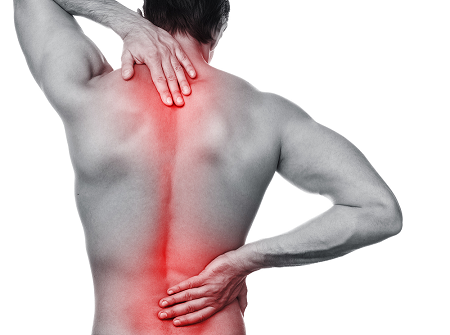
Causes Of Back Pain
A common cause of back pain is injury to a muscle (strain) or ligament (sprain). Strains and sprains can occur for many reasons, including improper lifting, poor posture, and lack of regular exercise. For instance, activities such as gardening or lifting groceries without proper technique can lead to a sudden onset of back pain. Being overweight might increase your risk of strains and sprains affecting your back. Additionally, back pain can also result from arthritis due to age-related changes in your spine, vertebral fractures, or ruptured disks. Chronic conditions such as fibromyalgia and sciatica can further complicate back pain.
Moreover, lifestyle factors such as stress and lack of sleep can exacerbate back pain. Engaging in regular physical activity not only strengthens the muscles but also enhances flexibility and reduces tension, which can significantly alleviate back pain symptoms.
Other Possible causes of back pain include:
Understanding the risk factors and being mindful of them can significantly help prevent back pain. For instance, athletes need to ensure proper warm-up and stretching routines to prevent injuries during sports activities.
Other possible causes of back pain include kidney infection (pyelonephritis), kidney stones, obesity, osteoarthritis (a disease causing the breakdown of joints), osteomyelitis (a bone infection), and osteoporosis. Poor posture, especially in the digital age where many spend long hours hunched over screens, can lead to chronic issues. Rheumatoid arthritis (inflammatory joint disease) and even certain infections can also play a role in back pain. Consequently, it is essential to identify the underlying cause to tailor an effective treatment plan.
Symptoms of Back Pain
- If there is constant or intense pain at the spinal column especially at night or when you lie down.
- If pain spread down one or both legs and extends below the knee.
- numbness or tingling in one or both legs.
- spinal column pains with unintended weight loss.
- spinal column pains with swelling or redness on the back.
Treatment of Back Pain
Treatment of back pain can be multifaceted, depending on the cause and severity. Often, patients may benefit from a combination of methods, including physical therapy, medication, and alternative treatments such as acupuncture. PLEASE COME FOR BACK PAIN THERAPY AT EFFECTIVE PHYSIOTHERAPY AND FITNESS CLINIC ABUJA 08034 365055. As pain improves, we can teach you exercises to increase your flexibility, strengthen your back and abdominal muscles, and improve your posture. Education about proper body mechanics can also be essential to prevent further injury.
PLEASE COME FOR BACK PAIN THERAPY AT EFFECTIVE PHYSIOTHERAPY AND FITNESS CLINIC ABUJA 08034 365055)
As pain improves, we can teach you exercises to increase your flexibility, strengthen your back and abdominal muscles, and improve your posture.
It is important to understand that every patient is different; therefore, treatment plans should be personalized to meet individual needs and conditions.
For chronic conditions, healthcare providers may recommend pain management strategies, which could include medications like NSAIDs or corticosteroids. In severe cases where conservative treatments are ineffective, surgical options might be explored.
Additionally, maintaining a healthy weight can decrease the strain on your back. Nutrition plays a crucial role in overall health; a balanced diet rich in calcium and vitamin D can help maintain bone density and support spinal health.
Consider integrating low-impact activities such as swimming, walking, or cycling into your routine. Strengthening core muscles is particularly beneficial as these muscles support your spine.
In addition to therapeutic exercises, other treatments may include heat or cold therapy, ultrasound treatments, and transcutaneous electrical nerve stimulation (TENS). Each of these methods has its own benefits and can aid in pain relief.
Moreover, practicing stress-reduction techniques, such as yoga or mindfulness meditation, can help manage pain and improve overall well-being.
How to Prevent Back Pain
Once the pain goes away, take measures to reduce your risk of future lower back pain episodes. This may include lifestyle changes, exercise routines, and ergonomic adjustments in your daily activities.
Once the pain goes away, take measures to reduce your risk of future lower back pain episodes.
Remember, early intervention is key. If you start to notice any signs of back pain, seek professional advice promptly to avoid more serious issues.
Further, education on proper lifting techniques and ergonomics can empower patients to make informed choices that protect their back health in the long run.
Our team is dedicated to helping you manage and overcome back pain. With personalized treatment plans and continuous support, we ensure that you receive the best care possible.
CORRECT POSTURES FOR WORK

Choose good posture and follow your physical therapist’s instructions on how to move to ensure proper back biomechanics. Incorporate back-friendly practices into your daily life. For example, use a chair that has good back support at work and at home.
If you stand for long periods at work, wear flat shoes with good arch support and get a box or step about 6 inches high to rest one foot on from time to time.
RIGHT LIFTING POSTURES TO AVOID BACK PAIN

Avoid lifting objects that weigh more than 50 pounds. When you lift heavy objects, lift from the knees and you should contract your abdominal muscles but keep your spine straight, and don’t twist your trunk. As you lift, hold the object close to your body.
Finally, if you smoke, stop. Smoking accelerates spinal degeneration and contributes to the development of back pain. Smokers are at a higher risk for herniated disks and other spinal conditions. If you would like guidance or support as you work to quit smoking, talk to your healthcare provider. They can provide you with resources and strategies tailored to your needs.
WE LOOK FORWARD TO HEARING FROM YOU FOR MORE INFO, THERAPY AND MANAGEMENT OF BACK PAIN PLEASE CONTACT US AT
Effective Physiotherapy & Fitness Clinic and Immediately! We’re located at
Address: No. 2D Ajumgobia (FIA) Close, Kado Estate, Abuja
Phone number: +234 803 436 5055 or +234 811 885 6060 or +234 909 860 4470.
Website: www.effectivephysio.com
Twitter: @effectvphysio
Facebook: EffectivePhysiotherapyClinic