
FATHERS OF PHYSIOTHERAPY
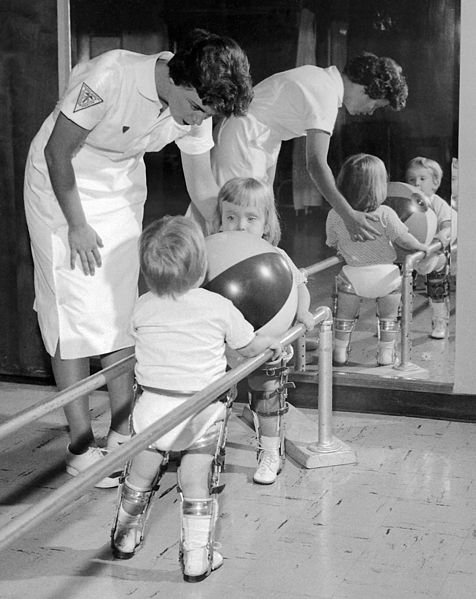
Fathers of Physiotherapy:
The history of rehabilitation is anchored in the vision of pioneers who recognized that exercise, physical manipulation, and movement science could heal the human body.
While Pehr Henrik Ling (1776–1839) of Sweden is universally recognized as the “Father of Physical Therapy” for establishing medical gymnastics, other foundational figures—such as Dr. James Cyriax (the “Father of Orthopaedic Medicine”) and Mary McMillan (the “Mother of Physical Therapy”)—helped shape the discipline into a modern clinical science.
Wikipedia
Below is an extensive, curated collection of quotes, historical philosophies, and conceptual reflections honoring the legacy of Pehr Henrik Ling and the founding principles of physical therapy.
1. Pehr Henrik Ling: The Swedish Pioneer
In 1813, Pehr Henrik Ling founded the Royal Central Institute of Gymnastics in Stockholm, Sweden. Having used fencing and structured physical exercise to relieve his own chronic joint stiffness and lung conditions, Ling formalized a scientific system divided into pedagogical, military, medical, and aesthetic gymnastics.
In Motion O.C.+ 1
“The organism must be considered as a unit, where every movement of a part acts upon the whole, and where harmony between mind, structure, and motion is the true essence of health.”
Ling’s core revelation was that isolated bodily complaints rarely exist in a vacuum. By systematically manipulating muscles and joint angles through “Swedish Movement Gymnastics,” he established that structured physical stress could induce mechanical and biological healing throughout the entire body.
“Gymnastics is not merely an art of athletic strength, but a precise medical science designed to restore the physiological balance that disease and injury have stolen.”
Before Ling’s work, physical exercise was largely viewed as military drill or entertainment. Ling introduced anatomy and physiology into exercise instruction, insisting that movement dosing must be calculated with the same rigor as medical pharmacology.
Wikipedia
“Where mechanical stiffness binds the human frame, targeted movement and manual force unlock the biological potential for recovery.”
Ling introduced systematically classified techniques—including friction, stroking, and passive joint mobilization—proving that hands-on manual care paired with active effort creates an optimal environment for tissue repair.
Wikipedia
2. Dr. James Cyriax: The Father of Orthopaedic Medicine
While Pehr Henrik Ling laid the foundation of movement therapy in the 19th century, Dr. James Cyriax (1904–1985) revolutionized 20th-century physiotherapy by creating the system of selective tissue tension testing, deep transverse friction, and precise soft-tissue diagnosis.
elitephysio.co.nz
“All pain originates from a lesion; our sole clinical duty is to isolate the exact structure that is distressed and apply the precise force necessary to heal it.”
Cyriax introduced systematic clinical reasoning to physical assessment. He taught therapists to differentiate between contractile tissue (muscles and tendons) and non-contractile tissue (ligaments, capsules, and nerves), transforming physical therapy from general massage into an exact diagnostic discipline.
“Rehabilitation without precise assessment is merely guessing; systematic evaluation illuminates the exact pathway to recovery.”
Cyriax emphasized that generic exercises often fail because they lack diagnostic targeting. By identifying whether a structure suffers from a tear, adhesion, or inflammation, clinicians can tailor manual therapy and exercise therapy to the exact anatomical site.
3. The Pillars of the Founding Movement Philosophies
The foundational work of therapy pioneers laid down core movement laws that continue to guide modern physical therapy clinics worldwide.
                   ┌─────────────────────────────────────────┐
                   │    PEHR HENRIK LING'S FOUR BRANCHES     │
                   └────────────────────┬────────────────────┘
                                        │
      ┌──────────────────┬──────────────┴───────┬──────────────────┐
      │                  │                      │                  │
┌─────▼──────┐    ┌──────▼─────┐          ┌─────▼──────┐    ┌──────▼─────┐
│ Pedagogical│    │  Medical   │          │  Military  │    │ Aesthetic  │
│ Gymnastics │    │Gymnastics  │          │ Gymnastics │    │ Gymnastics │
└────────────┘    └────────────┘          └────────────┘    └────────────┘
(Posture/Health)  (Rehab/Healing)         (Strength/Power)  (Mind/Express)
“Movement is medicine, but like any powerful prescription, its efficacy depends entirely on accurate dosage, direction, and execution.”
Ancient civilizations used thermal baths and basic massage, but the “Fathers of Physiotherapy” transformed these practices into a science by measuring joint angles, applying biomechanical levers, and observing tissue response to load.
“The human body is an adaptable biomechanical system; when provided with the correct progressive resistance, it rewires its own paths and rebuilds its own strength.”
The foundational premise of early medical gymnastics was human adaptability. The body adapts specifically to the physical demands placed upon it—a concept known today as the SAID principle (Specific Adaptations to Imposed Demands).
4. Historical Milestones in Physical Therapy
| Era / Year | Pioneer / Event | Contribution to Physiotherapy |
|---|---|---|
| Ancient Era | Hippocrates & Galen | Advocated hydrotherapy, manual massage, and exercise for muscle restoration. |
| 1813 | Pehr Henrik Ling | Founded the Royal Central Institute of Gymnastics in Sweden; birthed modern physical therapy. |
| 1894 | Chartered Society of Physiotherapy | Formed in the UK by nurses who formalized physical therapy training standards. |
| 1918 | Mary McMillan | Recognized as the “Mother of Physical Therapy” in the US; led reconstruction aides during WWI. |
| Mid-20th C. | Dr. James Cyriax | Pioneered orthopaedic medicine, selective tissue testing, and transverse friction massage. |
5. Modern Reflections on the Legacy
The principles established over two centuries ago by Pehr Henrik Ling remain the backbone of modern clinical practice. Modern technology—such as biomechanical imaging, force plates, and dry needling—complements rather than replaces the fundamental truths articulated by early leaders.
“We stand upon the shoulders of pioneers who looked at human suffering and saw, in the simple act of structured movement, a pathway to health.”
Every time a physical therapist manually mobilizes a stiff joint, prescribes a targeted therapeutic exercise, or guides a patient through post-operative gait retraining, they are applying the lineage of Pehr Henrik Ling’s medical gymnastics.
“The true legacy of the founders of physiotherapy is not merely a set of techniques, but a profound respect for the resilience of the human frame.”
The message passed down through generations of physical therapy pioneers is one of optimism and agency: the body is not a static machine destined to break down, but a dynamic, living organism ready to heal when given the proper physical environment, guidance, and care.
Core Takeaways
- Pehr Henrik Ling provided the scientific framework that earned him the title “Father of Physical Therapy” by merging anatomy and physiology with systematic gymnastics. Wikipedia
- Systematic Diagnostics introduced by pioneers like Dr. James Cyriax transformed manual therapy from general comfort measures into precise medical treatment.
- Active Rehabilitation remains the core mandate: empowering patients to move independently, restore structural balance, and regain lifelong function.
Book your appointment with us today:
Address: Number 2, D Close, Ajumgobia Street, Behind Upland Mall, Kado Estate,
Abuja 900108, Federal Capital Territory.
📞 Phone: +2348034365055, +2348118856060
💬 WhatsApp: +2348034365055,
🌐 Connect With Us Online:
YouTube: https://www.youtube.com/@effectivephysiotherapyfitness
Facebook: https://www.facebook.com/effectivephysiotherapyclinic
TikTok: https://www.tiktok.com/@effectivephysio1?lang=en
Instagram: https://www.instagram.com/effectivephysio
Twitter/X: https://x.com/effectivephysio