
PEDIATRICS PHYSICAL THERAPY
Pediatrics Physical Therapy is a specialized branch that focuses on the health, medical care, and treatment of infants, children, and adolescents suffering from disabilities from birth up to the age of 18. The aim is to help these young individuals grow healthier and stronger. In this field, therapists work closely with children who may have congenital conditions, developmental delays, and those recovering from injuries or surgeries. Understanding the unique needs of children is crucial in providing effective care that aligns with their developmental stages and learning processes.
Understanding Pediatric Therapy
Pediatric Physical therapy is a specialized form that helps children master essential gross motor and functional mobility skills. This not only fosters greater independence but also boosts self-esteem. It serves as a preventative measure by addressing imbalances or weaknesses early on, which is vital for a child’s overall development. For instance, by engaging children in fun and interactive activities, therapists can enhance their physical abilities while making the process enjoyable.
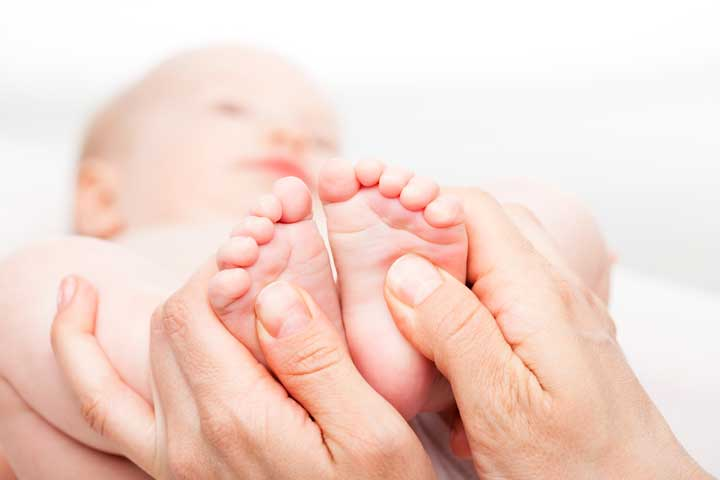
Pediatric Physical therapy offers customized support, including developmental activities, therapeutic exercises, balance and coordination activities, adaptive play, and mobility training tailored to each child’s specific needs. For example, a child with a balance disorder may engage in exercises that involve standing on one leg or walking on a balance beam to improve their stability. As therapy is generally concerned with joints, balance, and proper posture, it aids the child in moving certain muscles and also reduces stiffness in their joints, creating a stronger foundation for physical activity.
This therapy is vital for children recovering from injuries or surgeries, and for those with disabilities, as it aids in the development, maintenance, or enhancement of necessary daily skills and helps manage pain. Through targeted interventions, therapists can facilitate better motor control and coordination, allowing children to participate more fully in daily activities and sports. The emotional aspect of recovery is also addressed, providing support that fosters a sense of accomplishment and resilience.

Pediatric therapy promotes both physical and mental development, independence, and self-esteem in children. By helping them master gross motor and functional mobility skills and addressing imbalances early on, therapists contribute significantly to a child’s overall well-being. For instance, a child learning to ride a bike not only gains physical skills but also experiences a boost in confidence as they achieve this milestone.
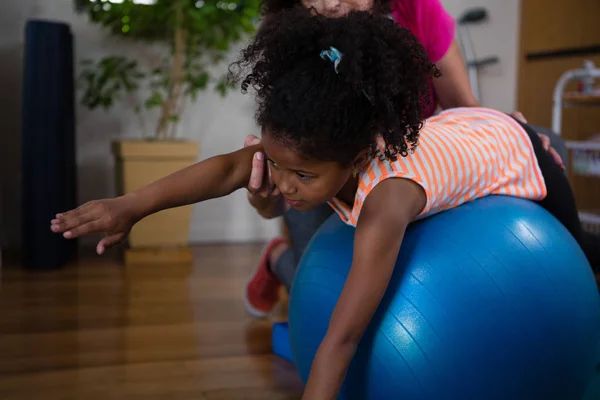
By exposing children to therapy at an early age, they become more aware of their physical selves. Therapists can help them better understand their muscles, bones, tissues, tendons, and ligaments, and how they all work together. This education not only empowers children to take care of their bodies but also cultivates lifelong habits of health and wellness. Activities like yoga, dance, and sports can be integrated into therapy to make learning about the body fun and engaging.
For pediatrics physiotherapy, Contact us on +234 811 885 6060, +234 909 860 4470.
For pediatrics physiotherapy, Contact us on +234 811 885 6060, +234 909 860 4470. Our team of dedicated professionals is committed to providing the highest quality of care to help your child achieve their full potential through tailored therapy programs.
Lastly, ongoing evaluation and adaptation of therapy plans are crucial in Pediatric Physical therapy. As children grow and their needs change, therapists must regularly assess progress and modify interventions accordingly. This dynamic approach ensures that therapy remains effective and aligned with the child’s developmental milestones, ultimately leading to sustained improvements in their physical abilities and overall quality of life.
To maximize the effectiveness of Pediatric therapy, parents and caregivers are encouraged to participate actively in their child’s process. This involvement can take various forms, such as attending sessions, practicing exercises at home, and providing encouragement. When parents understand the goals of therapy, they can better support their children’s progress. Collaboration between families and therapists creates a supportive network that enhances the child’s rehabilitation journey.
In addition to physical benefits, Pediatric therapy also emphasizes social skills development through group sessions. These sessions allow children to interact with peers, fostering communication, teamwork, and problem-solving skills. Such socialization is especially beneficial for those who may struggle with social interactions due to their conditions, making therapy a holistic approach not just for physical ailments but for emotional and social well-being as well.
Research supports the efficacy of Pediatric therapy in improving outcomes for children with various conditions. For example, studies have shown that children with cerebral palsy who participate in regular sessions experience improved motor function and quality of life. Furthermore, these sessions can be adapted to cater to individual interests, such as incorporating play-based techniques that align with a child’s favorite activities, making the process more relatable and effective.