
PEDIATRICS PHYSIOTHERAPY
Pediatrics Physiotherapy is a branch of Physiotherapy that deals with the health, medical care, and treatment of infants, babies, children, and adolescents suffering from disabilities from birth up to the age of 18. This specialized field aims to see them grow healthier and stronger, allowing them to reach their full potential. Understanding the unique challenges faced by this age group is crucial for effective treatment. For example, children may experience developmental delays or physical impairments due to various medical conditions, injuries, or congenital disorders. The practice of pediatrics physiotherapy not only focuses on rehabilitation but also emphasizes the importance of early intervention to promote physical and cognitive development. In pediatrics, the role of physiotherapy is vital in addressing these challenges.
Understanding Pediatrics in Physiotherapy
Pediatrics and its Importance
Pediatric Physiotherapy is a specialized form of therapy that helps children master essential gross motor and functional mobility skills. It fosters greater independence and boosts self-esteem by providing children with the tools they need to engage in daily activities. For instance, through tailored exercises and activities designed specifically for children’s developmental levels, therapists can help improve coordination, balance, and strength. Additionally, this form of therapy in pediatrics serves as a preventative measure by addressing muscle imbalances or weaknesses early on, which can help avoid complications later in life. By engaging in regular physiotherapy sessions, children not only enhance their physical capabilities but also gain confidence in their abilities, paving the way for improved social interactions and overall well-being. The importance of pediatrics physiotherapy cannot be understated.
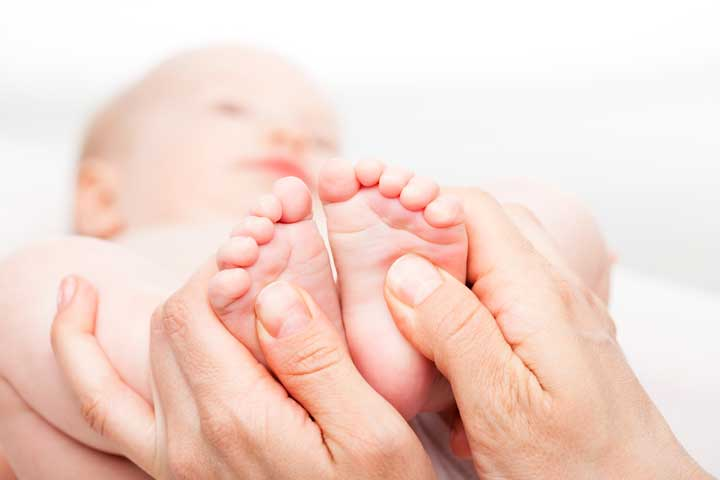
Moreover, integrating knowledge about pediatrics with physiotherapy practices leads to enhanced outcomes for children.
Understanding the principles of pediatrics is crucial for effective therapy.
Therapists in pediatrics apply specialized techniques to facilitate growth.
Pediatric Physiotherapy or Physiotherapist offers customized support including developmental activities, therapeutic exercises, balance and coordination activities, adaptive play, and mobility training to address each child’s specific needs. Each child’s journey is unique, and physiotherapists create individualized treatment plans tailored to their abilities and goals. For example, a child recovering from an injury may require a different approach compared to a child with a developmental disorder. By focusing on joint mobility, balance, and proper posture, pediatric physiotherapy aids children in moving their muscles effectively while also reducing stiffness in their joints. This holistic approach ensures that children not only recover from physical challenges but also thrive in their daily lives.
In pediatrics physiotherapy, early interventions are key to success.
Pediatrics is a fundamental aspect of our approach to therapy.
We emphasize the role of pediatrics in shaping therapy outcomes.
Access to pediatrics physiotherapy is essential for all children.
Involving parents in pediatrics physiotherapy enhances effectiveness.
Understanding pediatrics allows for better collaborative efforts.
Innovations in pediatrics physiotherapy are shaping the future of treatment.
It is of high importance for children recovering from injuries or surgeries and for those with disabilities, aiding in the development, maintenance, or enhancement of necessary daily skills and dealing with musculoskeletal pain. Through structured physiotherapy sessions, children can improve their functional abilities, which is crucial for their growth and development. For example, a child who has undergone surgery may need focused rehabilitation to regain strength and mobility. The physiotherapist works closely with the child and their family to set achievable goals and track progress, ensuring that the child remains motivated and engaged throughout the recovery process. This collaborative approach also involves educating parents about how to support their child’s physical development at home.
Pediatric physiotherapy promotes physical and mental development, independence, and self-esteem in children by helping them master gross motor and functional mobility skills. By addressing muscle imbalances early on, therapists can prevent chronic issues that may arise as children grow. For example, a child with a flat foot condition may benefit from exercises designed to strengthen the foot’s arch, which can prevent pain and improve walking mechanics. Additionally, engaging children in fun and interactive activities during therapy, such as playing games that involve physical movement, can enhance their motivation and participation. This proactive approach ensures that children not only develop critical skills but also enjoy the process of learning and improving their physical health.

By exposing children to physiotherapy at an early age, they will become more aware of their physical selves. Physiotherapists can help them better understand their muscles, bones, tissues, tendons, and ligaments, and how they all work together. This foundational knowledge is important for children as they grow and engage in various physical activities. For instance, educating them on the significance of warm-ups and cool-downs can instill a lifelong appreciation for physical activity and its benefits. Furthermore, the interaction with physiotherapists can help children develop trust in healthcare professionals, making them more likely to seek help when needed as they grow older. Building this rapport at an early age can encourage healthy habits and a proactive attitude towards physical health.
For pediatrics physiotherapy, Contact us on +234 811 885 6060, +234 909 860 4470.
For pediatrics physiotherapy, Contact us on +234 811 885 6060, +234 909 860 4470.
Finally, the importance of accessibility in pediatric physiotherapy cannot be overstated. Ensuring that children with disabilities have access to necessary physiotherapy services is vital for their health and development. This includes providing services in various settings, such as clinics, schools, or even at home, to accommodate the unique needs of each child. Additionally, advocating for policies that promote equitable access to healthcare services is essential in creating a supportive framework for families. By addressing barriers to access, we can ensure that all children, regardless of their circumstances, receive the physiotherapy they need to thrive.
As children advance in their therapy, it’s essential to celebrate their achievements, no matter how small. Positive reinforcement, such as verbal praise or small rewards, can significantly boost a child’s confidence and motivation. This acknowledgment of progress helps children recognize their capabilities, reinforcing the idea that they can overcome challenges. Additionally, setting new goals as they progress ensures that therapy remains engaging and effective. The continuous evolution of these goals keeps children challenged while allowing them to experience the joy of success and improvement. This approach fosters a growth mindset, encouraging children to view challenges as opportunities for learning and development.
Family involvement is crucial in the success of pediatric physiotherapy. Parents and caregivers play an essential role in reinforcing the skills learned during therapy sessions at home. By working collaboratively with physiotherapists, families can help children practice exercises and activities that will enhance their physical development. Workshops and educational sessions for parents can be beneficial, providing them with the tools and knowledge they need to support their child’s progress. Additionally, creating a supportive home environment that encourages physical activity can significantly impact a child’s motivation and overall attitude towards therapy. The engagement of family members not only helps in achieving therapy goals but also strengthens the bond between parents and children through shared physical activities.
In addition to traditional therapy methods, there are many innovative techniques and technologies being incorporated into pediatric physiotherapy. For example, virtual reality (VR) is being utilized to create engaging environments for children to practice their motor skills in a fun, interactive manner. This approach not only enhances motivation but also allows therapists to simulate real-life scenarios where children can apply the skills they are learning. Occupational therapy may also be integrated into physiotherapy sessions to address the child’s overall functional capacity. Another example is the use of animal-assisted therapy, where specially trained therapy animals help children feel more relaxed and engaged during their sessions. These advancements in therapy techniques show promise in improving outcomes and ensuring that children receive the most effective care possible.