
Steps To Take in case Of Stroke
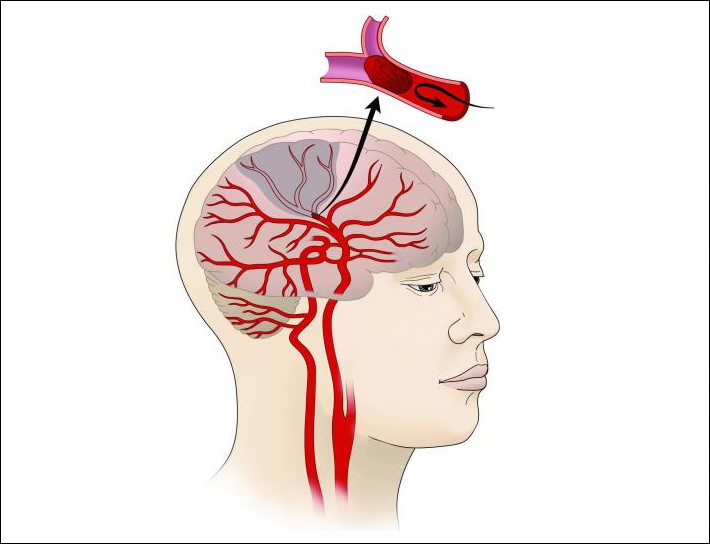
Steps To Take in case Of an emergency: A medical emergency occurs when the blood supply to any part of the brain is reduced or lost. It also occurs when blood vessels in the brain ruptures and bleeds. This cut off the supply of oxygen and nutrients to the brain and brain cells and tissue begin to die in few minutes.
It is important to understand that strokes can happen to anyone, at any age, and recognizing the symptoms early on can save lives. Statistics show that every year, nearly 795,000 people in the United States have a stroke. Of these, about 610,000 are new strokes. With the right knowledge and timely action, many more lives can be saved.
It is essential to act quickly and calmly in these situations. Knowing the steps to take can help not only the patient but also those around them. Being prepared can significantly change the outcome during a stroke emergency.
Recognizing the signs can be life-saving. The acronym FAST is a helpful tool to remember: F for Face drooping, A for Arm weakness, S for Speech difficulties, and T for Time to call emergency services. Each element is crucial to identify quickly.
When this happens, do the following immediately:
Check to see if the person’s face has dropped on one side when they smile. This simple action can indicate a serious issue and should be one of the first things you assess.
If you suspect a stroke, it is not just about waiting for help; every second counts. Performing CPR can make a significant difference. Remember to call for help immediately while performing CPR.
When laying the patient down, ensure that they are on a flat surface. This can help in avoiding any additional injuries from falls or other complications.
Compressions should be firm and at a consistent rate. The recommended rate is about 100-120 compressions per minute, roughly the tempo of the song ‘Stayin’ Alive’ by the Bee Gees.
Rescue breaths should be given after every 30 compressions. This helps ensure that oxygen is still being circulated in the body while waiting for professional help.
Calling the emergency service should be your top priority. Ensure that you provide clear details about the situation, including the location and the nature of the emergency.
Recognizing the signs of a stroke is crucial. Immediate action can significantly improve outcomes for stroke patients.
Identifying symptoms early can lead to better treatment outcomes. Most strokes can be categorized as either ischemic, caused by a blockage, or hemorrhagic, caused by bleeding. Understanding these types can aid in the recognition of symptoms.
- check for breathing
- If the person is not breathing , prepare to perform cardiopulmonary resuscitation
- Let the patient lie on his or her back
- kneel beside the patient and perform 30 compressions
- Give two rescue breaths
- call local emergency service or take the fellow to a near by hospital immediately
When assessing for trouble speaking, it can also be helpful to ask the person to repeat a simple phrase. This can often reveal their ability to articulate words or understand language.
In addition to checking for physical symptoms, emotional responses can also be a sign. Some individuals may display confusion or anxiety due to the physical effects of the stroke.
It’s important to note that numbness can sometimes be fleeting or may come and go, which can be confusing. If any of these signs are present, immediate medical attention is crucial.
Strength testing can be done simply by asking the person to squeeze your hand. Weakness may be present in the affected side, and this simple test can provide insight into their condition.
Facial drooping can sometimes be subtle, such as a slight asymmetry in a smile. Observing these details can help in the overall assessment during a medical emergency.
Blurred vision can be frightening and may not be accompanied by other symptoms. Noticing changes in vision can often prompt others to seek help more urgently.
Headaches associated with strokes can present differently than typical headaches. They may be sudden and severe, making them a strong indicator of a possible stroke.
Vomiting can occur due to the brain’s reaction to injury and is often accompanied by other symptoms. Monitoring for additional signs is crucial when assessing someone suspected of having a stroke.
Dizziness can be disorienting and may cause a person to stumble. It’s important to differentiate between dizziness and lightheadedness to assess the severity of the situation.
Following a stroke, patients often struggle with motor control. Recognizing these challenges early can guide effective intervention strategies.
Loss of balance or coordination is a common aftereffect of strokes. Rehabilitation techniques can help restore some of these functions over time.
Physiotherapy plays a crucial role in recovery. Understanding how these interventions work can empower patients and their families.
Long-term management of stroke patients often requires a multidisciplinary approach. Collaboration between healthcare providers is essential for effective recovery.
Physical activity post-stroke is vital, as it can improve overall health and reduce the risk of future strokes. Regular check-ins with healthcare providers can help monitor progress.
Circuit training is not just beneficial physically; it can also enhance mental health. Engaging in these activities can help patients regain confidence in their physical abilities.
Core stability exercises are crucial for enhancing posture and reducing the risk of falls. These exercises can be tailored to each individual’s needs.
Assistive devices can greatly improve a patient’s quality of life. Understanding how to use them effectively is an essential part of rehabilitation.
Early intervention can reduce the long-term effects of a stroke significantly. Engaging with healthcare professionals immediately can lead to better outcomes.
Rehabilitation is a journey, and the support of family and friends can make a significant difference. Encourage open communication about feelings and progress during recovery.
Understanding the resources available, such as community support groups, can aid in emotional recovery as well. Connecting with others facing similar challenges can be empowering.
Having a clear communication plan with healthcare providers can ensure that all parties are informed about the patient’s progress and any changes in their condition.
Regular follow-ups with physiotherapists can help build a strong foundation for continued recovery. This ongoing support is vital for long-term success in rehabilitation.
Educating families about the implications of a stroke can prepare them for potential challenges ahead. This knowledge can foster a supportive environment for recovery.
Setting realistic goals during recovery can help patients maintain motivation. Small achievements should be celebrated along the way to build confidence.
Ultimately, recovery from a stroke is a personal journey, and understanding each individual’s needs plays a significant role in achieving the best outcomes.
Symptoms Of Stroke
- Trouble speaking
- A person having a stroke may be confused, slur words or may not be able to understand speech.
- Numbness
- Weakness or paralysis in the face, arm or leg. Person can try to raise both arms over the head. If one arm begins to fall, it may be a sign of a stroke.
- One side of the mouth may drop when trying to smile.
- The person may suddenly have blurred vision in one or both eyes.
- Headache
- Vomiting,
- Dizziness
- Trouble walking.
- Loss of balance or coordination.
HOW CAN PHYSIOTHERAPY HELP PATIENTS IN RECOVERY
Most people who have a medical emergency already have other long-term conditions. This makes long-term management complex. Flexible pathways which include easy access back into physiotherapy are required to help people manage all aspects of their long-term conditions.
Physiotherapy teams help survivors incorporate physical activity recommendations into their daily routine to reduce the risk of another medical emergency by up to 35%.
Physiotherapists can provide circuit training, involving intensive repetition of everyday activities, to help people walk further, faster, with more independence and confidence.
Integrating endurance and strength training into rehabilitation reduces disability. Core stability and exercises incorporating balance, weight-shifting, and gait improve balance after a medical emergency.
Physiotherapists use assistive equipment to enhance rehabilitation. Robot-assisted devices support people to walk independently while treadmill training improves walking speed and endurance. Virtual reality training may be beneficial alongside usual care but should not replace conventional therapy approaches.

For quick and Effective Recovery, contact Us at EFFECTIVE PHYSIOTHERAPY & FITNESS CLINIC as soon as it happens in order to have a quick intervention of a physiotherapist to attend to the emergency patient.
Address: No. 2D Ajumgobia (FIA) Close, Kado Estate, Abuja.
Phone number: +234 909 860 4470 or +234 811 885 6060
Website: www.effectivephysio.com
Twitter: @effectvphysio
Facebook: EffectivePhysiotherapyClinic
You can contact us on +234 811 885 6060, +234 909 860 4470.
By understanding the effects of a stroke, families can provide better support and care for their loved ones.
Regular physiotherapy sessions can help maintain recovery and prevent further strokes.
For optimal recovery from stroke, early intervention and continuous support are essential.