
What To Do If You Have Osteoporosis
What To Do If You Have Osteoporosis
Osteoporosis is a bone disease that develops when bone mineral density and bone mass decreases, or when the structure and strength of bone changes. This can lead to a decrease in bone strength that can increase the risk of fractures.
Osteoporosis is a “silent” disease because there are typically no symptoms, and you may not even know until you break a bone.
Osteoporosis is the major cause of fractures in postmenopausal women and in older men. Fractures can happen in any bone but occur most often in hip bones, vertebrae in the spine, and wrist.
Understanding Osteoporosis: A Comprehensive Overview
However, you can take steps to help prevent the disease and fractures by:
- Staying physically active by participating in weight-bearing exercises such as walking.
- Drinking alcohol in moderation.
- Quitting smoking, or not starting if you don’t smoke.
- Taking your medications, if prescribed, which can help prevent fractures in people who have osteoporosis.
- Eating a nutritious diet rich in calcium and vitamin D to help maintain good bone health.
Osteoporosis causes bones to become weak and brittle — so brittle that a fall or even mild stresses such as bending over or coughing can cause a fracture. It affects men and women of all races. But white and Asian women, especially older women who are past menopause, are at highest risk. Medications, a healthy diet, and weight-bearing exercise can help prevent bone loss or strengthen weak bones.
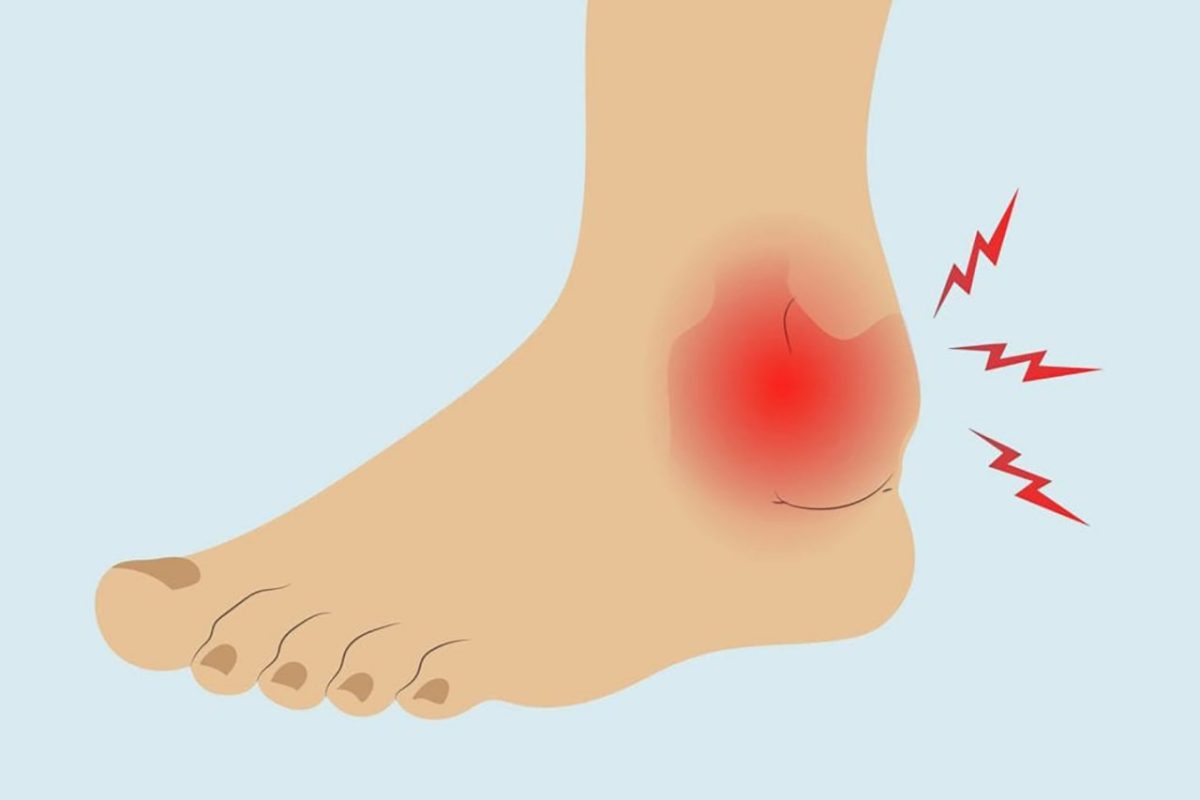
Osteoporosis is a “silent” disease because there are typically no symptoms until a bone is broken. Symptoms of a vertebral fracture include severe back pain, loss of height, or malformations such as stooped posture.
Bones affected by osteoporosis may become so fragile that fractures occur spontaneously or as the result of:
- Minor falls, such as a fall from standing height that would not normally cause a break in a healthy bone.
- Normal stresses such as bending, lifting, or even coughing.
Causes of Osteoporosis
Osteoporosis occurs when too much bone mass is lost and changes occur in the structure of bone tissue. Certain risk factors may lead to its development or can increase the likelihood that you will develop it.
Many people with osteoporosis have several risk factors, but others who develop osteoporosis may not have any specific risk factors. There are some risk factors that you cannot change, and others that you may be able to change. However, by understanding these factors, you may be able to prevent the disease and fractures.
Factors that may increase your risk for osteoporosis include:
- Sex. Your chances of developing osteoporosis are greater if you are a woman. Women have lower peak bone mass and smaller bones than men. However, men are still at risk, especially after the age of 70.
- Age. As you age, bone loss happens more quickly, and new bone growth is slower. Over time, your bones can weaken and your risk for osteoporosis increases.
- Body size. Slender, thin-boned women and men are at greater risk to develop osteoporosis because they have less bone to lose compared to larger boned women and men.
- Race. White and Asian women are at highest risk. African American and Mexican American women have a lower risk. White men are at higher risk than African American and Mexican American men.
- Family history. Researchers are finding that your risk for osteoporosis and fractures may increase if one of your parents has a history of osteoporosis or hip fracture.
- Changes to hormones. Low levels of certain hormones can increase your chances of developing osteoporosis. For example:
- Low estrogen levels in women after menopause.
- Low levels of estrogen from the abnormal absence of menstrual periods in premenopausal women due to hormone disorders or extreme levels of physical activity.
Low levels of testosterone in men. Men with conditions that cause low testosterone are at risk for osteoporosis. However, the gradual decrease of testosterone with aging is probably not a major reason for loss of bone.
What To Do If You Have Osteoporosis
- See your Doctor
- Go for a test
- Confirm and be sure it’s osteoporosis
- Take your prescribed medication s
- Go for Physiotherapy service
- Ensure you do your exercises and complete your sessions
Physiotherapy for osteoporosis
Physiotherapy for osteoporosis
- Falls education
- Weight-bearing exercises
- Balance exercises
- Strength Training
- Mobility practice
- Practice of functional tasks
- Provision of walking aids and equipment
- Pain Relieve
For very efficient and Effective Physiotherapy services / treatment you can absolutely count on us,
In conclusion, Contact us at:
Address: No. 2 Ajumgobia Close, Kado Estate, Abuja
Call: +234811 885 6060 | +234 909 860 4470
YouTube: https://www.youtube.com/@effectivephysiotherapyfitness