

How can I solve My kneel Problem ?
How can I solve my knee problem: Knee pain is pain or discomfort you feel in or around your knee joint. However, solving the problem of the knee varies depending on the actual issue. Sometimes, it could be a result of dislocation, or it might be a symptom of weakness in the leg. It can also come from post-surgery pain after a knee replacement, or even arthritis. For instance, people with arthritis may experience stiffness and reduced range of motion. Those who have recently had surgery may face a longer recovery time.
To effectively address knee problems, it’s crucial to understand the underlying causes and seek appropriate treatment methods tailored to individual circumstances. Comprehensive evaluations, including physical examinations and imaging tests, are essential to determine the root cause of your knee pain. This assessment will help in formulating a targeted treatment plan that may include physiotherapy, lifestyle adjustments, and possibly surgical options depending on the severity and nature of the issue.
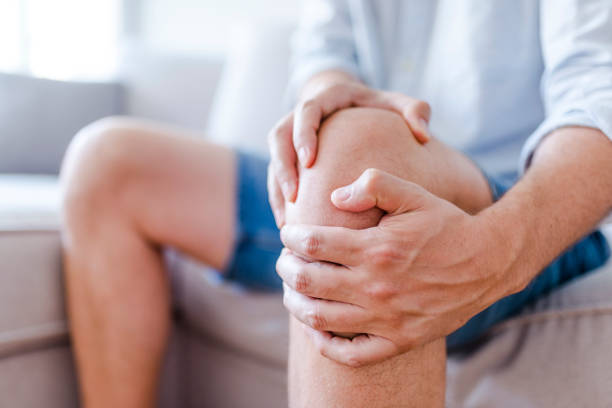
The following ways can help to take care of the knee problem
Additionally, understanding the anatomy of the knee can provide valuable insights into its complex nature. The knee is composed of bones, cartilage, ligaments, and tendons that work together to facilitate movement and support body weight. Any injury or disease affecting these components can lead to pain and dysfunction. For example, a torn meniscus, which is a cartilage injury, can cause pain and swelling in the knee, while conditions like patellar tendinitis may result from repetitive stress on the knee joint, commonly seen in athletes.
In addition to traditional physiotherapy, recent advancements have introduced innovative treatments like hydrotherapy and ultrasound therapy that can aid in recovery. Hydrotherapy, which involves exercises in warm water, helps reduce pain and improve mobility, making it an excellent option for those with limited movement due to knee issues. Ultrasound therapy utilizes sound waves to promote healing in deep tissues, offering another modality that can complement conventional physiotherapeutic approaches.
Physiotherapy
Physiotherapy is one of the quickest and most effective methods to recover fully from a knee problem. A physical therapist will guide you through various stretches and exercises designed to strengthen the muscles surrounding your affected knee. These stretches not only relieve pain but also significantly improve stability and mobility. For example, strengthening exercises targeting the quadriceps and hamstrings can enhance knee support, while flexibility exercises help maintain the range of motion. Additionally, physiotherapy sessions often include education on body mechanics and posture, which can help prevent future injuries. Incorporating balance training can also be beneficial, as it may reduce the risk of falls and further knee injuries.
Rest
Rest
It is essential to stop any physical activity that caused the pain or injury to prevent further damage. If your knee injury resulted from lifting heavy objects, twisting, or dislocating while dancing or exercising, resting is crucial. This allows your body the time it needs to heal.
It is often tempting to push through the pain, but doing so can exacerbate the injury. Even simple activities like walking can aggravate the injury, so be mindful and give your body the appropriate rest. For effective recovery, using crutches or a knee scooter might be recommended to avoid putting weight on the injured knee and facilitate healing.
Ice packs
Applying ice packs to the affected area of your knee can significantly help with pain management. It is advisable to wrap the ice in a cloth or towel before applying it directly to the skin to avoid frostbite. Typically, you should apply the ice for 15-20 minutes every few hours during the first couple of days following the injury.
This can reduce swelling and numb the area, providing considerable relief. In addition, alternating between ice and heat therapy after the initial swelling has gone down can help soothe stiffness and promote blood flow to the area.
Regular check-ups with a healthcare professional can be immensely beneficial in preventing knee problems. Early intervention and monitoring can help address any minor concerns before they escalate into more serious issues. Furthermore, if you are involved in sports, working with a coach or trainer to develop a proper technique can also reduce the risk of knee injuries. Incorporating strength training into your routine can enhance muscle support around the knee, providing further protection.
Moreover, maintaining a healthy weight is vital in managing knee problems. Excess body weight puts additional stress on the knee joints, exacerbating existing conditions or increasing the risk of developing new ones.
Incorporating low-impact exercises such as swimming, cycling, or walking can help manage weight effectively while minimizing strain on the knees. Nutrition also plays a crucial role in joint health; consuming anti-inflammatory foods rich in omega-3 fatty acids, such as fish and flaxseeds, can help reduce inflammation in the body.
Applying ice packs to the affected area of your knee can significantly help with pain management. It is advisable to wrap the ice in a cloth or towel before applying it directly to the skin to avoid frostbite. Typically, you should apply the ice for 15-20 minutes every few hours during the first couple of days following the injury. This can reduce swelling and numb the area, providing considerable relief.
Knee braces
A knee brace provides support to your knee and keeps it in place. These braces work by maintaining proper alignment of the knee joint, which is crucial for healing. They’re typically made from stiff plastic or metal, equipped with cushions and straps that secure around your knee and leg. A physiotherapist can guide you on the appropriate type of knee brace, its usage duration, and any modifications needed based on your recovery progress. It’s essential to choose the right type of brace, as each type serves a different purpose, whether it be for stabilization during activity or for support during rest.
A knee brace provides support to your knee and keeps it in place. These braces work by maintaining proper alignment of the knee joint, which is crucial for healing. They’re typically made from stiff plastic or metal, equipped with cushions and straps that secure around your knee and leg. A physiotherapist can guide you on the appropriate type of knee brace, its usage duration, and any modifications needed based on your recovery progress.
The best way to solve a knee problem is to prevent it from occurring in the first place. Below are some preventive measures one can take:
Additionally, consider exploring community resources such as support groups for individuals dealing with knee issues. Sharing experiences and strategies with others facing similar challenges can provide emotional support and practical advice. Engaging in community activities that promote joint health, like yoga or Pilates classes, can also be beneficial. Remember to consult with your healthcare provider before starting any new exercise regimen, especially if you have existing knee problems. Your journey to healthier knees starts with informed choices and supportive resources.
In conclusion, solving knee problems requires a multifaceted approach that includes understanding the underlying causes, incorporating proper treatment methods, and making lifestyle modifications. By taking a proactive stance on knee health and adhering to preventive measures, individuals can significantly reduce their risk of developing chronic knee issues. Remember, early intervention is essential, and the sooner you address your knee concerns, the better the outcome. Don’t hesitate to reach out to our team at Effective Physiotherapy & Fitness Clinic for support and guidance on your journey to recovery!
- Don’t over stress your body, give your body the appropriate rest it needs
- Always adhere to safety measures anywhere you find yourself
- Avoid rough play if you feel any form of hurt on your kneel while playing
- Wear the right protective gear for any activity or sports like football, skating, bicycle riding e.t.c. e.g (helmet, kneel guard, hand gloves, elbow guard)
Often, knee problems can affect the entire body, leading to compensatory issues in other joints and muscles. For instance, if one knee is injured, an individual may unconsciously shift their weight to the other knee, leading to pain and dysfunction there as well.
Don’t wait until the situation worsens. Taking immediate action can prevent long-term consequences. Seeking professional guidance and establishing a comprehensive treatment plan can be the key to recovery.
Contact us today for a comprehensive evaluation and treatment for your knee issues.

Effective Physiotherapy & Fitness Clinic. Reach out to us immediately! We’re conveniently located at
Address: No. 2D Ajumgobia (FIA) Close, Kado Estate, Abuja.
We are dedicated to helping you regain your mobility and improve your quality of life. Our team of experts is here to guide you every step of the way!
Phone number: +234 803 436 5055 or +234 811 885 6060
For any questions related to knee care or to book an appointment, feel free to reach out!
Website: www.effectivephysio.com
Don’t forget to follow us on our social platforms for tips and updates!
Twitter: @effectvphysio
Facebook: EffectivePhysiotherapyClinic