
Number One Shoulder Dislocation Physiotherapy Treatment
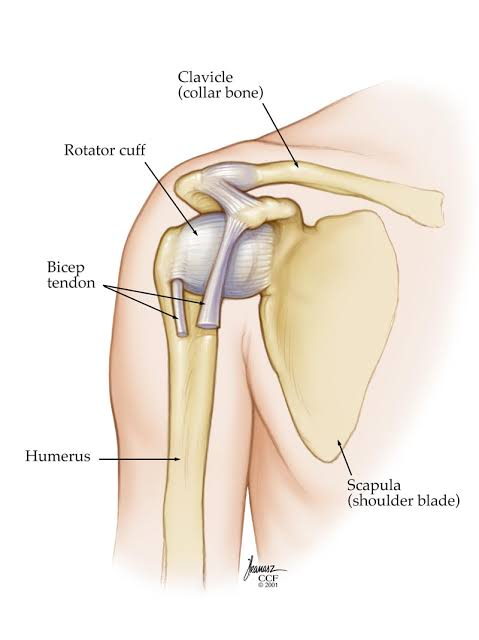
Shoulder Dislocation Physiotherapy Treatment: This is a common dislocation in adults and can occur as a result of direct or indirect violence. The latter, which may occur due to a fall on the outstretched hand, tends to produce an anterior dislocation, thereby displacing the head of the humerus forward. The former may be the result of a direct blow to the front of the shoulder. This can produce a posterior dislocation and displace the humeral head backwards. It may come to lie below the spine of the scapula.
Understanding shoulder dislocations is crucial for effective rehabilitation. Common causes include sports injuries, falls, and accidents. For instance, athletes participating in contact sports like football or rugby are particularly susceptible. They should be aware of proper techniques to minimize risk and engage in preventive exercises. Moreover, educating patients about the importance of immediate care, such as applying ice and keeping the arm immobilized, can significantly impact recovery outcomes.
In the context of shoulder dislocations, pain management strategies are paramount. Utilizing modalities like ice therapy can help reduce inflammation and alleviate pain. Additionally, physical therapists may recommend gentle range-of-motion exercises to prevent stiffness while ensuring the patient does not exacerbate the injury during the healing process. This careful balance is essential for recovery.
Intense pain and loss of function or further damage could result from prolonged stretching of the tissues. Management will also depend on the age of the patient. An elderly patient will have the arm rested in a large arm sling or a collar and cuff for a few days, while a young patient will have the arm rested in a large chest for 2-3 weeks because of danger of recurrent dislocation.
Another serious complication is the risk of developing adhesive capsulitis, commonly known as frozen shoulder. This condition can arise after a dislocation due to prolonged immobility. Awareness of this risk is critical for recovery, as patients must be encouraged to engage in rehabilitation exercises once cleared by their healthcare provider.
It’s important to note that associated fractures can complicate treatment decisions. For example, if a greater tuberosity fracture is present, surgical intervention may be necessary. Understanding the nature and extent of any accompanying injuries plays a vital role in deciding the most effective treatment approach.
Recurrent dislocations can also lead to chronic instability, requiring more extensive rehabilitation strategies. Patients may benefit from strength training focused on the rotator cuff and scapular stabilizers to improve joint stability. Specific exercises like external rotations and scapular retractions can be instrumental in preventing future dislocations.
Individualized treatment plans should consider the patient’s lifestyle, activity level, and personal goals. For instance, a young athlete may require a more aggressive rehabilitation protocol compared to an older individual whose primary concern might be pain management and returning to daily activities.
In cases involving elderly patients, gentle mobilization techniques can be initiated early to promote circulation and reduce stiffness without compromising healing. Research suggests that early movement may expedite recovery when managed correctly.
Additionally, integrating pain relief methods—such as ultrasound therapy and electrical stimulation—can enhance the rehabilitation experience. These modalities can assist in managing pain and inflammation, allowing patients to focus on their recovery goals more effectively.
Ultimately, the goal of physiotherapy is to restore function, reduce pain, and prevent future injuries. Patients should be encouraged to maintain a consistent exercise routine post-recovery to support shoulder health and overall well-being.
Our clinic offers comprehensive programs designed to address all aspects of shoulder rehabilitation, including education on injury prevention, tailored exercise regimens, and ongoing support to ensure successful recovery. We also emphasize the importance of patient engagement in the rehabilitation process to enhance outcomes.
By prioritizing a holistic approach to recovery, including mental and emotional support, we strive to empower our patients and encourage a positive outlook throughout their rehabilitation journey.
Remember, prompt and effective treatment is crucial for the best outcomes in shoulder dislocation cases. Whether you’re recovering from an injury or looking to prevent one, our team at EFFECTIVE PHYSIOTHERAPY & FITNESS CLINIC is dedicated to helping you achieve your health goals.
Complications and Long-term Effects
Axillary nerve lesion – this is more likely to occur with an anterior than a posterior dislocation and results in paralysis and loss of sensation over a small area on the upper lateral aspect of the arm.
Associated fracture – A feature of the greater tuberosity can cause dislocation
Recurrent dislocation – In some instances, the damage caused by the dislocation does not heal and another dislocation is most likely. The damage involves tearing the capsule from the anterior rim of the glenoid cavity. Recurrent dislocation happens more often in the young,g probably as a result of initial trauma and can be more severe and if they continue to take part in sports or are very active, minor injury may cause a further dislocation.
Shoulder Dislocation Physiotherapy Treatment: This differs according to the age of the patient
Elderly patient: The mechanism causing the dislocation could be relatively trivial as the muscles may be weaker in the older person and the rotator cuff may not give the same stability to the shoulder joint as in a younger person. In such cases, the soft- tissue damage may not be as extensive, and treatment would start the day after
Young patient :It is not the same risk of developing a stiff shoulder in the young as in the elderly and so the shoulder may be kept bandage to the chest for 2-3 weeks to allow healing of the soft tissue. This may help to lessen the probability of reoccurring dislocation if there is not too much damage. After the activities required the patient needs a rehabilitation program to regain range of movement, muscle power,full function and relieve shoulder pain
No more panic for those suffering from any form of dislocation or other physical health conditions.
EFFECTIVE PHYSIOTHERAPY & FITNESS CLINIC is known for exceptional work towards recovery of such issues and even more challenging health issues over the years.

Address: No 2D Ajumgobia F.I.A Close, Behind Upland Mall, Opposite Conoil Filling Station, Kado Estate, Abuja. Phone number: +234 803 436 5055 or +234 811 885 6060 +234 9098604470
Website: www.effectivephysio.com
Twitter: @effectvphysio
Facebook: EffectivePhysiotherapyClinic