
TREATMENT OF INJECTION PALSY
Treatment of injection palsy, also known as sciatic nerve injury caused by intramuscular injection in the gluteal region, is a condition that primarily affects children. This type of nerve injury can lead to sensory-motor palsy in the lower limb, presenting with various degrees of impairment. Understanding the intricacies of injection palsy is essential for effective management and rehabilitation, as it can significantly impact a child’s mobility and overall quality of life.
The sciatic nerve injury occurs due to several potential traumatic events, including pressure, stretching, or cutting of the nerve. Symptoms may vary widely, ranging from paresthesias (tingling sensations) to substantial loss of muscle power and debilitating pain. These symptoms can lead to a considerable decrease in the child’s ability to perform daily activities, affecting their physical and emotional well-being. Early recognition and intervention are crucial to minimizing the long-term effects of this injury.
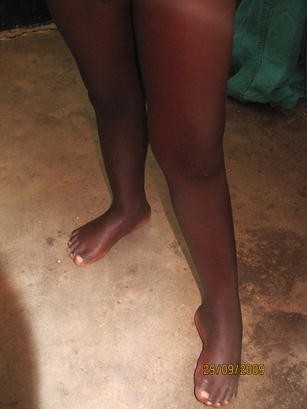
UNDERSTANDING INJECTION PALSY AND ITS IMPACT
1. Foot drop is a common symptom associated with injection palsy, where the patient is unable to lift the front part of the foot, leading to dragging while walking. This can result in frequent tripping and falls, making it crucial for early intervention.
2. The patient may experience external rotation and abduction contracture of the hip, which can lead to abnormal gait patterns and further complications if not addressed promptly through physiotherapy.
3. Equinovarus or equinus deformity might occur as a result of muscle imbalances. This condition can severely limit foot movement and function, necessitating targeted rehabilitation strategies to restore mobility.
4. Muscular weakness and atrophy are inevitable consequences of prolonged disuse and nerve damage. Strengthening exercises and proper nutrition play vital roles in reversing these effects during recovery.
5. Motor and sensory deficits, such as paraesthesia and numbness, can occur, significantly impacting the child’s sensation and coordination. These deficits require comprehensive assessment and treatment to restore normal function.
PHYSIOTHERAPY TREATMENT OF INJECTION PALSY
- Pain Management
- Exercise Prescription
- Electrical Muscle Stimulation
- Joint or Soft Tissue mobilisation.
- Balance Training
- Splinting
At Effective Physiotherapy & Fitness Clinic, we pride ourselves on our expertise in managing cases of injection palsy. Our team provides comprehensive care tailored to each child’s unique needs. We understand that recovery extends beyond a single session, and we commit to working diligently with families to achieve the best outcomes. A consultation will demonstrate our dedication and effectiveness in treatment.
Visit us today at Effective Physiotherapy and Fitness Clinic at this address: No 2 D Close, Ajumgobia Street, Kado Estate, Abuja, or call +234 811 885 6060. Our professional team is ready to assist you in your recovery journey from injection palsy.
YouTube: https://www.youtube.com/@effectivephysiotherapyfitness
