
HOW TO CARE FOR TRIGGER FINGER
How to Care for Trigger Finger: A Comprehensive Guide
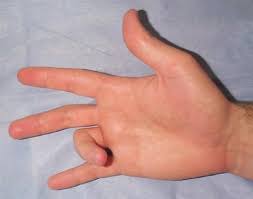
Trigger finger is a condition that causes pain, stiffness and a sensation of locking or catching when you bend and straighten your finger. It is clinically known as stenosing tenosynovitis.
Trigger finger can significantly impact daily life, making even simple tasks challenging. Understanding this condition is key to effective management.
The ring finger and thumb are most often affected though it can occur in the other fingers too. It is also, more common in women than men.
In this section, we will explore more about how trigger finger develops, the various stages of the condition, and why seeking timely care is essential.
Understanding the causes is crucial for prevention and treatment. Each individual may experience different triggers for their symptoms, influenced by lifestyle and health conditions.
You might be wondering what causes the trigger finger.
For instance, diabetes can lead to changes in the tendons that make them more susceptible to inflammation. This relationship emphasizes the importance of managing underlying health issues.
For those engaged in manual labor, understanding ergonomic practices can reduce the risk of developing trigger finger. Adjusting grip techniques and using tools designed to minimize strain can be beneficial.
Moreover, individuals using vibrating tools should take regular breaks to avoid repetitive strain injuries. Implementing these strategies is vital for long-term joint health.
Sometimes the cause of trigger finger might not be known. Other times, one of the following factors might be responsible:
Identifying symptoms early can lead to more effective management. For example, if you notice a locking sensation in your fingers, it’s essential to take action quickly.
- Certain medical conditions: People with diabetes and rheumatoid arthritis are at a high risk of developing trigger finger.
- Finger overuse: People who carry out a lot of activities with their hands, especially activities that require forceful use of the fingers and thumb like gripping tools or machinery.
- Contact friction: The repeated use of power tools that vibrate in the hand can lead to trigger finger.
In addition to pain and stiffness, patients may report changes in finger dexterity. Keeping a journal of symptoms can help track progression and identify effective interventions.
Symptoms of trigger
Here are some symptoms of trigger finger
- Pain when you bend and straighten the finger.
- Catch or locking sensation with finger movement.
- Tender lump at the base of the finger on the palm side of the hand.
- Stiffness and locking of the finger, which is worse in the morning and after periods of inactivity.
Regular check-ins with a healthcare provider can also help manage symptoms and adjust treatment plans as needed. Always consult with professionals when you experience persistent symptoms.
While self-care is important, collaboration with healthcare professionals is essential for optimal recovery. They can provide tailored advice based on your specific situation.
Consider seeking guidance on which activities to avoid during your recovery to prevent aggravating your symptoms further.
Self-care for trigger finger
Incorporating heat therapy prior to stretching can help relax the tendons and improve flexibility. This approach can be particularly effective for those struggling with morning stiffness.
Maintaining a healthy lifestyle, including proper nutrition and hydration, can also support your recovery. Foods rich in omega-3 fatty acids can help reduce inflammation.
Sometimes, trigger finger resolves on its own without any intervention.
We pride ourselves on providing comprehensive care for trigger finger at Effective Physiotherapy and Fitness Clinic. Our team is dedicated to developing a personalized treatment plan that addresses your unique needs and promotes recovery.
Our clinic values your health and well-being, and we’re here to support you every step of the way. If you have any concerns or questions, don’t hesitate to reach out.
Subscribe to our YouTube channel for more tips on managing conditions like trigger finger and improving your overall hand health: Effective Physiotherapy and Fitness. We share valuable insights and exercises to support your recovery.
However, here are some measures you can take to resolve it yourself.
- Rest: Avoiding activities that make it worse and resting your hand.
- Splinting: Strapping the finger with a splint to keep it straight and reduce movement.
- Exercise: Gentle stretching exercise to the wrist and fingers can improve the movement of the finger.
We can help with this condition at Effective Physiotherapy and Fitness Clinic. Book an appointment when you have any form of sprain, strain or dislocation. Call +234 811 885 6060 or +234 909 860 4470
Visit us at No 2 D, Ajumgobia Close, opposite con oil, Kado Estate, Abuja, FCT
YouTube: https://www.youtube.com/@effectivephysiotherapyfitness