
WHAT IS OSTEOARTHRITIS
What is Osteoarthritis? Osteoarthritis is a common condition that affects many individuals as they age. It can progress gradually, and many people may not realize they have it until they begin to experience discomfort or pain in their joints. Understanding this condition is vital for effective management and treatment.
Osteoarthritis, often referred to as the ‘wear-and-tear arthritis’ or ‘degenerative arthritis’, occurs when the cartilage that cushions the joints deteriorates over time. This leads to pain, swelling, and difficulty in movement, significantly impacting an individual’s quality of life.
What Happens in Osteoarthritis? As osteoarthritis progresses, the joint cartilage becomes thinner, and the protective layer erodes, leading to inflammation and pain. This deterioration can be exacerbated by factors such as obesity, previous joint injuries, and genetic predisposition.
Understanding arthritis is crucial for effective treatment and management. Awareness of the various types of arthritis, their symptoms, and treatment options can empower individuals to make informed choices about their healthcare.
Arthritis can lead to significant pain and discomfort, impacting daily activities. Many individuals find that even simple tasks become challenging as the condition progresses. Therefore, early intervention and treatment are essential.
Osteoarthritis was once seen as a natural consequence of aging, but it is now understood to be a complex disorder involving multiple factors. Researchers believe that osteoarthritis may involve changes in the cells that produce cartilage, leading to a breakdown of the joint structure. This can result in a joint losing its slippery surface, developing cracks, and becoming roughened.
Women with a family history of osteoarthritis are more likely to experience joint problems, particularly in the fingers, thumbs, and knees. In some cases, the condition can affect multiple joints, including those in the hands, feet, hips, knees, and shoulders. A previous injury to a joint can also increase the likelihood of developing osteoarthritis in that specific area.
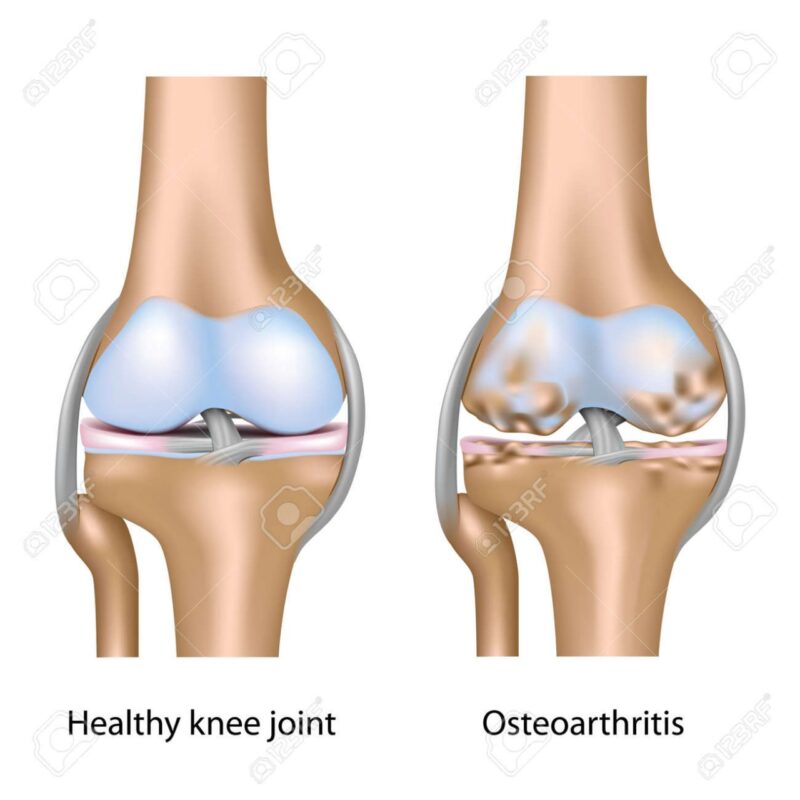
Common symptoms in osteoarthritis
Common Symptoms in Osteoarthritis
Identifying the symptoms of osteoarthritis can lead to early intervention. Common symptoms include pain during movement, stiffness after periods of inactivity, and a sensation of grinding or creaking within the joint. It is crucial for individuals to monitor their symptoms and consult with a healthcare professional regarding their condition.
Understanding Osteoarthritis
Osteoarthritis is not just a condition of the elderly; it can affect people of all ages. The onset can be influenced by factors such as genetic predisposition, joint injury, and lifestyle choices. For example, athletes or individuals with physically demanding jobs may be at greater risk due to the repetitive stress placed on their joints. It is important to recognize early signs of osteoarthritis to seek appropriate treatment.
- The joint is painful after exercise and at the end of the day, but the pain gets better with rest.
- The joint is stiff first thing in the morning or after a daytime rest, but quickly loosen up with exercise.
- The joint creaks or grinds when you move it , this is what we call “crepitus.” Crepitus is often not painful and should not prevent you from using the joint.
- Tender lumps may appear on the small joints at the end of your fingers and the bases of your thumbs.
Treatment of Osteoarthritis
Treating osteoarthritis effectively requires a multifaceted approach. At Effective Physiotherapy Clinic, we recommend individualized treatment plans tailored to each patient’s needs. This may include the use of splints for specific joints to alleviate pain and maintain proper alignment, as well as recommendations for personalized exercise regimens.
This is one of the major challenge we solve at Efdfective Physiotherapy clinic. We recommends splints for affected joints from time-to-time to protect them and maintain their correct position, and will also advise on the right sort of exercise for you to perform at home.
The primary treatments for osteoarthritis include:
- Exercise
- Reducing the strain on the affected joints and
- Painkillers when necessary
In Conclusion:
For those suffering from arthritis, finding the right treatment plan is essential. It is important to engage with healthcare providers to explore various options available.
Osteoarthritis affects many of us as we age. Staying active through appropriate exercise, maintaining a healthy weight, and utilizing pain management strategies can improve your quality of life.
In conclusion, numerous resources and support systems are available for individuals suffering from osteoarthritis. Collaboration among healthcare professionals, including physiotherapists and orthopedic specialists, is vital for comprehensive care.

Visit us at Effective Physiotherapy and Fitness Clinic located at No 2 D Close, Ajumgobia Street, Kado Estate, Abuja, or call +234 811 885 6060 to learn more about our approaches to managing arthritis.
YouTube: https://www.youtube.com/@effectivephysiotherapyfitness – subscribe for tips and advice on managing arthritis and improving joint health.

Many individuals are unaware that arthritis can be effectively managed with the right approach. Education and awareness can play a significant role in improving outcomes for those affected.
Support and resources are available for those living with arthritis, including community support groups, educational resources, and access to healthcare professionals who specialize in joint health.