
HOW TO MANAGE STRESS ALWAYS
- Take breaks from watching, reading, or listening to news stories, including those on social media. …
- Take care of yourself. …
- Take care of your body. ..
- Make time to unwind. ..
- Talk to others. ..
- Connect with your community- or faith-based organizations.
- Avoid drugs and alcohol.
- Balance work and play. Make time to work on your tasks and goals (like schoolwork, chores, or practice). ..
- Plan your day. ..
- Stick to your plan…
- Ask for help when you need it. ..
- Use the positive energy of stress. ..
- Deal with problems as they come up. ..
- Eat good foods. ..
- Get enough sleep. With this, you should be able to manage your stress always whether at home or at your workplace. Health is wealth, stay healthy always
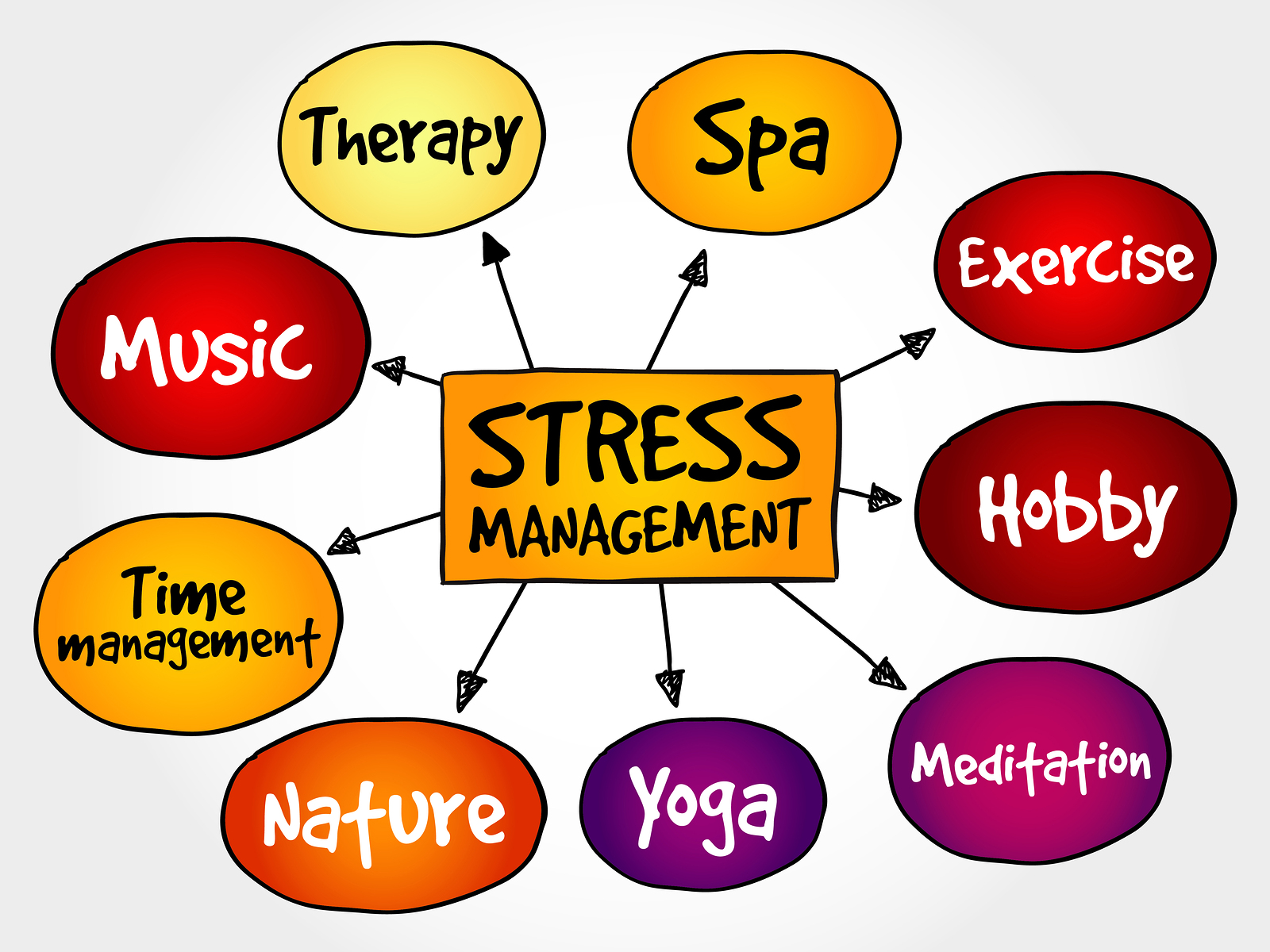
Taking regular breaks from news consumption is essential for mental clarity. For example, you could designate specific hours in the day to catch up on news instead of letting it invade your entire day. During your breaks, engage in activities that uplift your spirits—this could be a hobby you love or simply spending time in nature.
Practicing self-care can take many forms. Make it a point to incorporate activities that rejuvenate you, whether it’s pampering yourself with a spa day at home, enjoying a favorite book, or participating in creative arts. Scheduling these activities can ensure they become a regular part of your life.
Taking care of your body is foundational for managing stress effectively. Regular physical activity, even moderate exercise like walking or yoga, can release endorphins, which are natural mood lifters. Additionally, focus on hydration and nutrition—drinking plenty of water and consuming whole foods can improve both mood and energy levels.
Make sure to carve out time for relaxation, as this is critical for mental health. You could explore practices like tai chi or guided imagery, which are excellent for promoting relaxation. Creating a cozy space in your home that invites relaxation can also serve as a retreat when you need to unwind.
Talking to others can provide emotional support and clarity. Consider setting up a regular coffee date with a close friend or family member. Sharing your thoughts and feelings can lighten your emotional load and foster connections that are vital during stressful times.
Engaging with your community can enhance feelings of belonging. Look for local groups that align with your interests or volunteer opportunities that resonate with your values. Building relationships within your community can provide a support network that helps alleviate stress.
Steering clear of drugs and alcohol is a crucial aspect of stress management. Instead, consider exploring healthier habits like journaling or engaging in creative pursuits, which can serve as productive outlets for stress relief and emotional expression.
Balancing work and play is essential for overall well-being. Try to set clear boundaries between work and personal time. Scheduling fun activities or time with loved ones can create a more fulfilling work-life balance and prevent burnout.
Planning your day effectively can make a significant difference in how you manage stress. Use tools like to-do lists or digital planners to prioritize tasks. Focus on manageable goals to create a sense of accomplishment that can reduce feelings of being overwhelmed.
Sticking to your plan promotes discipline and encourages a proactive approach to stress management. Consider incorporating regular check-ins with yourself to assess your progress and adjust your plans as necessary to ensure you remain on track.
Reaching out for help is vital when feeling overwhelmed. Whether it’s consulting a mentor or seeking professional counseling, don’t hesitate to utilize available resources. Sharing your burden can lead to new perspectives and solutions.
Using the positive energy of stress can be a game-changer. Shift your mindset to view stress as a challenge that can enhance your performance. For example, use the adrenaline rush to tackle tasks efficiently, making stress a catalyst for productivity rather than a hindrance.
Addressing problems as they arise helps to keep stress at bay. Implement techniques like breaking down large tasks into smaller, actionable steps. This approach minimizes feelings of being overwhelmed and allows you to focus on what can be controlled.
Understanding Stress and Its Impact
Eating a balanced and nutritious diet can significantly impact your stress levels. Incorporate a variety of foods rich in vitamins and minerals, such as fruits, vegetables, and lean proteins, to help maintain stable energy levels and improve mood. Consider meal prepping to ensure you have healthy options readily available.
Taking breaks from news consumption can greatly reduce anxiety levels. For instance, consider setting specific times of the day to check the news instead of constantly scrolling through updates. You might also try engaging in calming activities such as reading fiction, practicing mindfulness, or going for a walk to help reset your mental state.
Self-care is crucial in managing stress. This can include physical activities, hobbies, or simply taking time to relax and recharge. Consider scheduling regular ‘me time’ where you focus solely on activities that bring you joy, such as painting, gardening, or listening to music.
Taking care of your body goes beyond just exercise. Ensure you’re eating balanced meals rich in nutrients that can help elevate your mood and energy levels. Foods high in omega-3 fatty acids, like salmon and walnuts, and those rich in antioxidants, such as berries and leafy greens, are particularly beneficial.
Making time to unwind is essential. You might explore relaxation techniques such as yoga or meditation. Apps like Headspace or Calm can guide you through the process, helping to clear your mind and reduce tension in your body. Regularly setting aside a few minutes for these practices can yield significant benefits over time.
Talking to others can provide emotional relief. Don’t hesitate to reach out to friends or family when you’re feeling overwhelmed. Sharing your feelings not only lightens your load but can also foster a sense of connection and support. Consider joining support groups or community gatherings where you can discuss shared experiences.
Connecting with community or faith-based organizations can provide a strong support network. Engaging in volunteer work or group activities can also bring a sense of purpose and fulfillment, which is a great antidote to stress. Look for local groups that align with your interests and values.
Avoiding drugs and alcohol is critical in maintaining a healthy mindset. While substances may provide temporary relief, they often exacerbate stress in the long run. Instead, explore healthier coping mechanisms like exercise or creative outlets to manage your feelings.
Striking a balance between work and play can greatly improve your mental health. Consider integrating short breaks into your work schedule. Use these moments to stretch, breathe deeply, or enjoy a small snack. Planning social activities during your off time can also enhance your overall well-being.
Planning your day can help in managing your time effectively, reducing stress levels. Use planners or digital calendars to organize tasks. Prioritize your responsibilities and set realistic goals for each day, which can help you feel accomplished and in control.
Sticking to your plan can provide a sense of direction and purpose. Consistency is key, so try to make your schedule as routine as possible. This might include regular meal times, exercise, and relaxation periods that allow you to wind down at the end of the day.
Asking for help shows strength, not weakness. Whether it’s seeking advice from a mentor or professional help from a therapist, know that assistance is available. Many find that talking to a coach or counselor can provide insights and strategies to better cope with stress.
Utilizing the positive energy of stress can be transformative. Learn to reframe stress as a motivator rather than a hindrance. For example, use the adrenaline rush from a tight deadline to enhance your focus and productivity, ultimately turning stress into a tool for success.
Dealing with problems as they arise can prevent stress from accumulating. Use problem-solving techniques like brainstorming or seeking input from others to find solutions effectively. Addressing issues promptly can create a sense of control and prevent them from becoming overwhelming.
Eating good foods is essential for managing stress. Incorporate a variety of colorful fruits and vegetables into your meals. Meals rich in lean proteins, whole grains, and healthy fats can stabilize your mood and energy levels. Prepare meals in advance to ensure you have healthy options available when you’re busy.
YouTube: https://www.youtube.com/@effectivephysiotherapyfitness